
The cutest crochet butterflies in amigurumi 🦋-Step by Step Tutorial is a delightful guide for anyone who loves crochet, handmade crafts, and the joy of creating something beautiful with their own hands. This type of project is both beginner-friendly and exciting for advanced crocheters, as it allows for creativity, personalization, and endless color combinations. The butterfly, a symbol of transformation and joy, becomes even more charming when made with the soft textures of yarn in the amigurumi style.
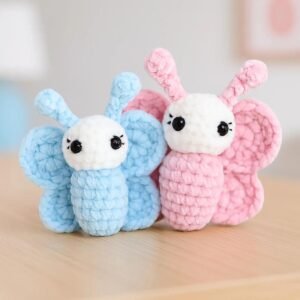
When we talk about crochet butterflies in amigurumi, we are referring to small, soft, stuffed creations made with the Japanese art of amigurumi. Unlike flat crochet butterflies, amigurumi butterflies are three-dimensional and bring a sense of cuteness and life to your project. They can be used as toys, home décor, keychains, or even attached to bigger projects such as blankets and bags. That versatility makes them one of the most enjoyable projects to crochet.
Another wonderful aspect of this tutorial is its accessibility. With just a few materials—some colorful yarn, a crochet hook, and basic stuffing—you can create a butterfly that looks professional and adorable. The step by step tutorial ensures that even if you are new to crochet, you can follow along and succeed. Each stitch is explained with clarity, and the project is designed to help you grow your skills while enjoying the process.
Materials and Preparation for Crochet Butterflies
To start creating the cutest crochet butterflies in amigurumi 🦋, it is essential to gather the right materials. Having everything prepared in advance will make the process smoother and much more enjoyable. You will need yarn in your favorite colors, a suitable crochet hook, a pair of scissors, stitch markers, and stuffing material. Safety eyes or embroidery thread can be added to give your butterfly expressive features.
Choosing the right yarn is one of the most important steps in preparing your butterfly project. Soft cotton yarn is often recommended because it provides a neat finish, durability, and comfort. However, you can also experiment with acrylic yarn if you want more variety in colors and textures. The choice of yarn thickness will affect the size of your butterfly, so beginners may prefer medium-weight yarn to make the stitches easier to see.
The crochet hook should match the yarn size. Typically, smaller hooks are better for amigurumi because they help create tight stitches that keep the stuffing inside. A 2.5mm to 3.5mm hook is a good starting point for medium-weight yarn. Using a hook that is too large will result in gaps, while one that is too small may make the stitches too tight and difficult to work with.
Another key aspect is stuffing. Polyester fiberfill is most commonly used for amigurumi projects because it is soft, lightweight, and easy to shape. Be sure to stuff the butterfly evenly, giving it a smooth and rounded look. Too much stuffing can stretch the stitches, while too little will make the butterfly floppy.
Small details can add charm to your crochet butterflies. Safety eyes, beads, or simple embroidered stitches can be used to give personality to your butterfly’s face. Some crocheters also add wire to the wings for extra structure, though this is optional. Decorative touches, like adding glitter yarn for sparkle or attaching a keychain loop, can turn your butterfly into a unique accessory.
Once your materials are ready, set up a comfortable space to work. Good lighting and a cozy chair can make all the difference in your crafting experience. Keeping everything within reach helps you stay focused on the tutorial and enjoy the relaxing rhythm of crochet.
Step by Step Instructions for Amigurumi Butterfly
The step by step tutorial begins with the body of the butterfly. Start by creating a magic ring, which is the foundation of most amigurumi projects. From there, work single crochet stitches in a spiral, increasing gradually to form the rounded head. Once the head is shaped, continue with the body, adding stuffing as you go to maintain a smooth and firm structure.
The wings are the most beautiful part of the butterfly and allow for endless creativity. To crochet the wings, you will typically make two larger upper wings and two smaller lower wings. These are usually crocheted separately and then sewn onto the body. Using different yarn colors for each section of the wings creates a vibrant and realistic effect. Patterns often combine stitches like double crochet and half-double crochet to give the wings a delicate, textured look.
After creating the wings, attach them carefully to the sides of the body. Positioning is important to achieve balance and symmetry. Many crocheters like to pin the wings first before sewing them on permanently. Using the same yarn color as the wing or body ensures a seamless and polished finish.
The antennae are the final detail that brings your butterfly to life. These can be crocheted as thin chains or made with yarn strands tied at the top of the head. Some people add beads at the ends of the antennae for a playful touch. This small but charming detail adds character to your finished butterfly.
Once the butterfly is assembled, you can add the finishing touches. Safety eyes or embroidered eyes give expression, while a stitched smile makes it even cuter. Adding embroidery details or using multicolored yarn gives your butterfly wings unique patterns. The beauty of amigurumi is that no two butterflies need to look the same—you can always adjust colors and details to your liking.
After completing your first butterfly, you may feel inspired to make more. A collection of butterflies in different sizes and colors can brighten up any space. You can use them as decorations for nurseries, gifts for friends, or even as keychains and bag charms. The process is enjoyable, and the results are always satisfying.
Creative Uses for Crochet Butterflies
One of the best parts of making the cutest crochet butterflies in amigurumi 🦋 is the wide variety of uses they have. They are not just adorable to look at but also practical in many ways. Whether you want to use them for personal enjoyment, home decoration, or gifting, crochet butterflies bring joy to every occasion.
A popular use for crochet butterflies is as toys or playmates for children. Their soft texture, vibrant colors, and small size make them perfect for little hands. Since amigurumi projects are typically made with durable stitches, they can withstand playtime and last for years. If gifting them to very small children, you can replace safety eyes with embroidered features to keep them completely safe.
Butterflies also make wonderful decorative items. They can be placed on shelves, added to flower arrangements, or even displayed in frames as handmade art pieces. Crocheting butterflies in seasonal colors can make them suitable for special occasions, such as spring festivals or baby showers. They are a versatile addition to any home décor style.
Another creative idea is to turn your amigurumi butterflies into accessories. By adding a small keychain loop, you can create charming bag charms, zipper pulls, or keyrings. These make excellent handmade gifts that are both thoughtful and practical. They can also be used as party favors or wedding keepsakes, especially when made in matching colors to the event theme.
Crochet butterflies also work beautifully as embellishments for larger projects. You can sew them onto blankets, hats, scarves, or tote bags to give your handmade items a personalized touch. This is a fun way to combine smaller projects with bigger ones, making each piece unique and full of character.
For those who enjoy selling handmade crafts, crochet butterflies are an excellent choice. They are quick to make, require minimal materials, and are always in demand due to their charm and versatility. Whether you sell them individually or as part of a themed collection, these butterflies are sure to capture the hearts of buyers.
Tips and Tricks for Success
When working through the cutest crochet butterflies in amigurumi 🦋-Step by Step Tutorial, a few tips can make the process smoother and help you achieve the best results. One of the first tips is to always keep your tension even. Consistent tension ensures that your butterfly looks neat and holds its shape. Practicing your stitches before starting the project can help you gain confidence.
Using stitch markers is another helpful trick, especially since amigurumi is worked in continuous rounds. Marking the beginning of each round makes it easier to keep track of where you are in the pattern. This small tool can save you time and prevent mistakes.
It is also important to stuff your butterfly gradually. Adding small amounts of stuffing as you go helps maintain an even shape and prevents lumps. Using a stuffing tool or the back of a crochet hook can help reach small areas like the head or tips of the wings.
Experimenting with colors is part of the fun of crochet butterflies. You can create realistic butterflies by mimicking natural wing patterns or go for a whimsical style with bright and contrasting colors. Variegated yarns can also add beautiful gradients without needing to switch yarns frequently.
Blocking your wings can enhance their appearance. By lightly wetting the wings and shaping them, you can give them a more structured and elegant look. This step is optional but adds a professional touch to your finished butterfly.
Finally, don’t be afraid to personalize your project. Adding embroidery details, sparkly threads, or mixing textures makes your butterfly one of a kind. Crochet is an art form, and each butterfly you create is a small masterpiece reflecting your creativity.
FAQ about Crochet Butterflies
1. How long does it take to make a crochet butterfly in amigurumi?
The time depends on your skill level and the complexity of the design. Beginners may take 3–4 hours for their first butterfly, while experienced crocheters can complete one in about 1–2 hours.
2. What is the best yarn for crochet butterflies?
Cotton yarn is often recommended for amigurumi because it holds its shape well and gives a neat finish. However, acrylic yarn is also a good option, especially if you want a wider range of colors.
3. Do I need to know advanced crochet techniques?
No, this tutorial is designed for all levels. Basic stitches like single crochet, double crochet, and slip stitch are enough to create a beautiful butterfly.
4. Can I make larger or smaller butterflies?
Yes, you can adjust the size by changing the yarn thickness and hook size. Thicker yarn and larger hooks will create bigger butterflies, while thinner yarn and smaller hooks will create mini versions.
5. Are crochet butterflies safe for children?
Yes, but for very young children, avoid using safety eyes or small beads. Instead, embroider the facial features to ensure safety.
6. Can I sell the butterflies I make?
Absolutely. Crochet butterflies are popular items at craft fairs, online shops, and as personalized gifts. Their versatility makes them great for handmade businesses.
Conclusion
The cutest crochet butterflies in amigurumi 🦋-Step by Step Tutorial is a charming and accessible project for all crochet lovers. From gathering materials to finishing details, every step offers the chance to learn new skills and create something truly special. These butterflies are versatile, whether used as toys, decorations, or accessories, and they always bring a touch of joy.
Now that you know the process, you can start making your own colorful butterfly collection. Try different yarns, colors, and details to make each one unique.
We hope this tutorial has inspired you to pick up your hook and enjoy the relaxing art of amigurumi. Please share your honest opinion about this article and leave suggestions for future tutorials—we’d love to hear your thoughts!