
How to make a small travel bag-Step by Step Tutorial is a wonderful project for anyone who enjoys crafting and wants a practical item to use on short trips or weekend getaways. Creating your own travel bag gives you the freedom to choose the fabric, the size, and even customize the design according to your personal style. Unlike store-bought bags, a handmade one carries a special touch and is often much more durable when carefully crafted. This tutorial is designed to guide beginners and experienced makers through a detailed process of building a bag that is both stylish and functional.
Making a small travel bag at home not only saves money but also gives you a sense of accomplishment. You can design it for different purposes, such as a weekend trip, a gym bag, or even as a carry-on for flights. By following this step-by-step tutorial, you will understand how to cut, sew, and assemble the necessary pieces to create a bag that fits your needs. Since the project is customizable, you can experiment with colors, patterns, and extra features like inner pockets or zippers to make it unique.
Before diving into the actual steps, it is important to prepare the right tools and materials. Choosing durable fabric is crucial because travel bags carry essential items, and they need to withstand weight and movement. Fabrics like canvas, denim, or faux leather are excellent choices. You will also need zippers, lining material, scissors, measuring tape, and a sewing machine. Once everything is ready, the fun part begins: creating a travel bag that will become a reliable companion for all your adventures.
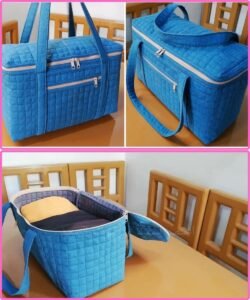
Step 1: Gathering Materials and Preparing Your Workspace
The first step in this How to make a small travel bag-Step by Step Tutorial is gathering the right materials. A strong and durable fabric is essential, as it ensures the bag will last through frequent use. Cotton canvas is one of the most recommended options because it is sturdy, washable, and easy to sew. You can also use denim for a more casual look or opt for faux leather if you want a more professional style. Choosing quality material at the beginning of the project makes the rest of the process easier and ensures durability.
In addition to the main fabric, you will need lining material to give the bag a neat and finished look inside. The lining not only adds structure but also protects the interior from stains and dirt. Polyester or cotton lining fabrics are affordable and easy to work with, making them perfect for beginners. You can even choose a fun, colorful pattern for the lining to give your bag a personalized surprise every time you open it.
Another important element is the zipper. Travel bags require strong zippers to secure your belongings. Select a zipper that matches the length of the bag’s opening. It’s always better to buy a zipper that’s slightly longer and trim it if needed. Handles and straps also play a big role in the bag’s design. You can use webbing straps for extra durability, or you can sew matching fabric straps for a more uniform look.
Tools are just as important as the materials. You’ll need fabric scissors, sewing pins or clips, a ruler or measuring tape, and of course, a sewing machine. While it’s possible to hand-sew, using a sewing machine makes the process faster and ensures stronger stitches. Make sure your machine has a needle suitable for heavy fabrics, especially if you’re working with denim or faux leather.
Before starting the actual sewing, prepare your workspace. A flat and spacious surface is needed for cutting fabric and assembling pieces. Good lighting is also essential, as it allows you to see details clearly. Keeping your tools and materials organized nearby will make the process smoother and more enjoyable.
Taking the time to properly prepare at this stage saves mistakes later. Many beginners skip preparation and end up with uneven fabric cuts or missing tools. Having everything in place allows you to focus on the creative part of making your small travel bag.
Step 2: Cutting and Shaping the Fabric
Once you have your materials, the next part of this How to make a small travel bag-Step by Step Tutorial is cutting the fabric pieces. Accurate cutting is the foundation of a well-shaped bag. Begin by measuring the dimensions you want for your travel bag. A common size is about 18 inches wide, 12 inches tall, and 6 inches deep, but you can adjust depending on your needs.
Mark the measurements on the fabric using tailor’s chalk or a washable fabric marker. Always double-check your measurements before cutting, as even a small error can affect the final structure. Cut two large rectangles for the main body, two smaller rectangles for the sides, and a long strip for the bottom. Don’t forget to cut matching pieces from the lining fabric as well.
Handles or straps also need to be cut at this stage. If you’re using fabric straps, cut long strips of fabric, fold them lengthwise, and sew along the edges to reinforce them. If you’re using pre-made webbing straps, measure them according to the desired length, usually between 20–24 inches for hand straps and 40–45 inches if you want a shoulder strap.
To make the bag stronger, consider adding interfacing. Interfacing is a material that you fuse or sew onto the fabric to make it stiffer and more structured. It’s especially useful for the bottom of the bag, as it prevents sagging when carrying heavier items. Cut interfacing pieces that match your main panels and apply them according to the instructions.
Remember to leave seam allowances when cutting. A standard seam allowance is about half an inch. This extra space ensures you have enough fabric to sew the panels together securely. Without seam allowances, the bag could end up smaller than intended or with weak seams.
Cutting and shaping fabric requires patience and precision. It’s better to spend extra time measuring and double-checking rather than rushing. Once your pieces are cut and ready, the most exciting part—assembling and sewing—can begin.
Step 3: Sewing and Assembling the Bag
This part of the How to make a small travel bag-Step by Step Tutorial focuses on putting the pieces together. Start by sewing the lining and outer fabric separately. Place the two main body pieces right sides together and sew along the sides and bottom, leaving the top open. Do the same with the lining pieces, but remember to leave a small opening at the bottom to turn the bag inside out later.
Next, attach the side panels to the body. Match the edges carefully and pin them before sewing to avoid uneven seams. This step gives the bag its depth and shape. Repeat the process with both the outer fabric and the lining. Once the panels are attached, the bag will begin to take form.
The bottom panel is equally important. Align it with the edges of the body and side panels, pin securely, and sew all around. Reinforce the corners by sewing them twice, as these areas will bear most of the bag’s weight. After this step, you should have two separate bags—one outer and one lining—that will later be joined together.
Now it’s time to add the zipper. Place it between the lining and the outer fabric at the top opening, with the zipper facing down toward the outer fabric. Pin it in place and sew carefully using a zipper foot. Once the zipper is sewn, turn the bag right side out through the opening left in the lining. Close the lining opening with a simple straight stitch.
For the handles, attach them evenly to the outer fabric. Make sure they are placed symmetrically and securely reinforced with multiple stitches. If you added a shoulder strap, use metal rings or reinforced fabric loops to attach it. Strong stitching is crucial here because straps carry most of the weight.
At this stage, your bag should look complete. Check all seams, trim any loose threads, and iron the bag lightly to give it a neat finish. Congratulations, you now have a fully functional handmade travel bag.
Step 4: Customizing and Adding Final Touches
The last step in this How to make a small travel bag-Step by Step Tutorial is customization. This is where you can make your bag truly unique and reflect your personal style. One of the easiest ways to customize is by choosing a decorative fabric or adding contrasting lining. You can even sew on patches, embroidery, or appliqué designs to give it a personalized touch.
Another option is to add extra pockets. Pockets are practical because they help organize small items like keys, chargers, or cosmetics. You can sew simple flat pockets inside or zippered pockets outside for added functionality. If you’re confident in your sewing skills, try adding elastic bands inside to hold bottles or shoes securely.
You can also play with the straps. Instead of fixed straps, you can make adjustable ones with buckles, allowing you to switch between carrying styles. Some makers even add detachable straps, turning the travel bag into both a handbag and a shoulder bag. These little adjustments increase the usability and comfort of the bag.
For durability, consider adding protective feet at the bottom of the bag. These small metal or plastic studs prevent the fabric from touching the ground directly, keeping it clean and reducing wear. You can easily find them at craft supply stores, and they are simple to attach.
Don’t forget about finishing details like topstitching around the edges. Topstitching not only strengthens the seams but also gives the bag a professional look. Use a contrasting thread color if you want the stitches to stand out, or a matching one for a cleaner design.
Finally, always test the bag before using it on a trip. Load it with some items to see how it holds weight and ensure the seams and straps are strong enough. Making small adjustments at this stage ensures you’ll have a reliable travel companion ready for any journey.
FAQ about How to Make a Small Travel Bag
1. What fabric is best for making a small travel bag?
The best fabrics are durable ones like canvas, denim, or faux leather. These materials are sturdy enough to handle frequent use and heavier loads.
2. Do I need a sewing machine to make a travel bag?
While you can sew by hand, a sewing machine is highly recommended. It ensures stronger seams, makes the process faster, and helps when working with thick fabrics.
3. How long does it take to make a small travel bag?
On average, it can take 4 to 6 hours depending on your sewing skills and the complexity of the design. Beginners might take a bit longer.
4. Can I wash a handmade travel bag?
Yes, but it depends on the fabric. Canvas and cotton bags can usually be machine-washed, while faux leather or bags with metal accessories should be spot-cleaned.
5. How can I make my bag more durable?
Use strong fabric, reinforce seams, add interfacing, and ensure the straps are well-secured. Adding a lining also helps protect the interior.
6. Is it possible to add wheels to a handmade travel bag?
Yes, but it requires advanced skills. Adding wheels involves reinforcing the bottom with a hard base and attaching a rolling system. For beginners, it’s best to start with a simple hand or shoulder bag.
Conclusion
Learning How to make a small travel bag-Step by Step Tutorial is a rewarding experience that combines creativity with practicality. By following the steps—preparing materials, cutting fabric, sewing panels, and customizing—you can create a unique, durable bag perfectly suited to your style and needs.
This handmade project is not only cost-effective but also gives you the joy of crafting something useful with your own hands.
Now that you know how to create your own travel bag, I’d love to hear your thoughts. Share your honest opinion and any suggestions you might have for improving this tutorial. Your feedback helps keep the craft community inspired and creative.