
Learning to Sew Your Own Structured Zipper Bag- Step by Step Tutorial is a fantastic way to combine creativity, practicality, and sewing skills. Structured zipper bags are versatile, ideal for storing makeup, stationery, or travel essentials. This tutorial will guide you through the entire process, ensuring that your finished bag is both functional and stylish. By following this tutorial, you’ll gain confidence in handling fabrics, zippers, and interfacing to produce a professional-looking product.
One of the main advantages of the Sew Your Own Structured Zipper Bag- Step by Step Tutorial is that it allows for full customization. You can choose fabrics that match your style, pick a zipper color to complement the design, and adjust the bag size according to your needs. Whether you prefer bold patterns, subtle textures, or neutral tones, this tutorial provides the foundation to create a bag that reflects your personal aesthetic.
Another reason to follow this Sew Your Own Structured Zipper Bag- Step by Step Tutorial is that it develops essential sewing skills. From cutting accurate fabric pieces to adding interfacing and sewing a zipper neatly, each step strengthens your technique. These skills are transferable to other sewing projects, making this tutorial valuable beyond just the creation of a single bag.
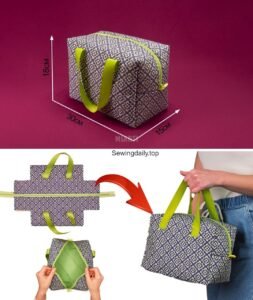
Materials Needed to Sew Your Structured Zipper Bag
Before starting the Sew Your Own Structured Zipper Bag- Step by Step Tutorial, gather all necessary materials. First, you need fabric for the outer part of the bag. Choose a durable material like cotton canvas, denim, or a quilting fabric to provide structure and support.
You also need lining fabric to finish the interior neatly. Lightweight cotton works well, giving a smooth and clean inside. Select colors or patterns that complement your outer fabric for a coordinated look.
Interfacing is essential to give the bag its structure. Fusible interfacing is easy to use and adds firmness without adding excessive bulk. Ensure you pick a weight suitable for the size and stiffness you desire for the bag.
A zipper matching the width of your bag is required. Metal, plastic, or nylon zippers all work; choose one that glides smoothly and complements your design.
Basic sewing tools like scissors, pins, a ruler, fabric chalk, and a sewing machine are needed. A zipper foot is particularly helpful for sewing close to the zipper teeth.
Optional tools include clips, decorative trim, or ribbon for embellishments. While not essential, they allow you to personalize your structured zipper bag, making it unique.
Cutting and Preparing Fabric Pieces
The first step in the Sew Your Own Structured Zipper Bag- Step by Step Tutorial is accurately cutting the fabric. Start by measuring and marking your outer fabric, lining, and interfacing pieces according to your desired bag dimensions. Precision ensures that all pieces fit together perfectly.
Next, cut the interfacing to match the outer fabric. Apply it to the wrong side of your fabric using an iron if you are using fusible interfacing. This step provides stability and prevents your bag from collapsing.
Prepare the lining fabric in the same size as the outer pieces. Accurate alignment between outer fabric and lining guarantees a neat, professional finish when assembled.
Mark the placement for the zipper on both the outer fabric and lining. Using fabric chalk or pins, ensure the zipper is centered and straight, which is crucial for functionality and aesthetics.
Once all pieces are cut and interfaced, double-check your measurements to avoid discrepancies. Correcting mistakes before sewing saves time and effort.
After preparing all materials, your bag is ready for assembly, which is the next critical step in the Sew Your Own Structured Zipper Bag- Step by Step Tutorial.
Assembling the Bag
Begin assembling your bag by attaching the zipper to the top edge of the outer fabric. Place the right side of the fabric against the zipper and pin or clip it in place. Using a zipper foot, stitch close to the zipper teeth for a neat finish.
Next, attach the lining to the other side of the zipper. Again, ensure the fabric lies flat and sew close to the zipper teeth. This creates a sandwich with the zipper in the middle, giving the bag a professional look.
With the zipper attached, sew the side seams of the bag. Match outer fabric to lining and stitch from the top to the bottom, leaving a small opening in the lining for turning the bag right side out.
After stitching the sides, create boxed corners for a structured bottom. Flatten the corners and sew across the base to form triangles, which give the bag volume and stability. Repeat for the lining if desired.
Turn the bag right side out through the lining opening. Smooth the corners and edges carefully to maintain the bag’s structured shape. Press lightly with an iron if needed to enhance crispness.
Finally, close the lining opening with an invisible stitch or topstitch to finish neatly. At this stage, your bag begins to take its final form as a fully functional, structured zipper bag.
Adding Finishing Touches and Personalization
The last step in the Sew Your Own Structured Zipper Bag- Step by Step Tutorial is adding finishing touches and personalization. Begin by inspecting all seams to ensure durability and neatness. Reinforce weak areas with additional stitching if necessary.
Topstitch around the zipper for extra reinforcement and a polished look. This not only strengthens the zipper attachment but also adds a decorative element.
Add embellishments such as ribbon tabs, decorative stitching, or a small tag for a unique touch. These elements allow you to personalize the bag to your style or for gifting purposes.
Check the bag’s structure by filling it lightly and observing how it holds shape. Adjust any corners or edges to maintain crisp lines and a professional appearance.
If desired, add a small interior pocket by sewing an additional fabric piece inside the lining. This provides extra organization for smaller items like pens, makeup, or keys.
Once complete, your structured zipper bag is ready to use or gift. Handmade bags are not only practical but also demonstrate skill and creativity, making them meaningful and stylish.
FAQ about Structured Zipper Bags
1. Is this project suitable for beginners?
Yes, the Sew Your Own Structured Zipper Bag- Step by Step Tutorial uses simple sewing techniques with clear instructions suitable for beginners.
2. What fabrics are best for a structured bag?
Cotton canvas, denim, or quilting fabric provides durability and shape.
3. Can I make the bag larger or smaller?
Absolutely. Adjust the fabric measurements to create a bag that suits your needs.
4. Do I need a sewing machine?
While a sewing machine is recommended for neat seams and speed, hand sewing is possible with patience.
5. How do I maintain the bag’s structure?
Using fusible interfacing and properly boxing corners ensures a sturdy, structured shape.
6. Can I wash the bag?
Yes, depending on the fabric used. Hand washing is generally safer to preserve structure and appearance.
Conclusion
In this Sew Your Own Structured Zipper Bag- Step by Step Tutorial, we covered materials, cutting and preparing fabric, assembling the bag, and finishing touches.
Following these steps ensures a neat, professional, and fully functional zipper bag suitable for personal use or gifting.
Now it’s your turn to create your own structured zipper bag. Share your honest feedback and suggestions for future projects. Handmade bags combine style, functionality, and personal creativity, making them rewarding to sew and cherish.