
Crochet elastic pattern is an essential technique that every crochet enthusiast should learn, especially if the goal is to create flexible, comfortable, and well-fitted pieces. From garments like hats and cuffs to accessories such as bags and headbands, mastering the crochet elastic pattern opens up a world of creative possibilities. This method mimics the stretchiness of knitted ribbing while maintaining the unique texture and structure of crochet, making it highly desirable for both beginners and experienced crafters.
Understanding the foundation of a crochet elastic pattern allows you to improve not only the functionality of your projects but also their professional appearance. Many crocheters struggle to achieve elasticity without losing shape, but with the right techniques, you can create items that hold their structure while still offering flexibility. This balance is especially important for wearable items, where comfort and durability go hand in hand.
In this article, you will explore everything about the crochet elastic pattern, including techniques, variations, practical uses, and expert tips. Whether you are working on a simple project or aiming to refine your skills, learning how to incorporate elasticity into your crochet work will elevate your craftsmanship and help you produce high-quality pieces that stand out.
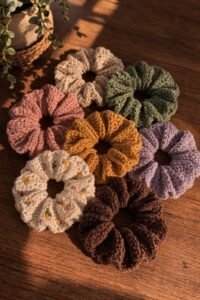
Understanding the Basics of Crochet Elastic Pattern
The crochet elastic pattern refers to a set of techniques designed to create stretchable fabric using crochet stitches. Unlike traditional crochet, which can sometimes be stiff, this pattern focuses on flexibility.
One of the most common methods involves working in the back loop only (BLO), which creates a ribbed texture. This texture allows the fabric to stretch horizontally, similar to knitted ribbing.
Another technique includes using front post and back post stitches. These stitches create raised and recessed areas, enhancing the elasticity and giving the fabric a structured look.
The choice of yarn also plays a significant role in achieving the desired elasticity. Softer yarns with a bit of natural stretch, such as wool blends, tend to perform better.
Hook size can also influence the outcome. Using a slightly larger hook than recommended can increase flexibility and prevent the fabric from becoming too tight.
Practicing these foundational techniques is essential for mastering the crochet elastic pattern and ensuring consistent results across different projects.
Techniques to Create a Perfect Crochet Elastic Pattern
To achieve a flawless crochet elastic pattern, it is important to focus on consistency and technique. Even small variations in tension can affect the elasticity of the final piece.
Working with half double crochet (HDC) in the back loop is a popular method. This technique creates a stretchy ribbed fabric that is ideal for cuffs and waistbands.
Slip stitch ribbing is another effective approach. Although it requires more patience, it produces a very elastic and neat finish.
Front post double crochet (FPDC) and back post double crochet (BPDC) combinations are widely used in hats and sweaters. These stitches create vertical ridges that enhance stretch and visual appeal.
Maintaining even tension throughout your work ensures that the elasticity remains uniform. Uneven stitches can lead to areas that are either too tight or too loose.
Blocking your finished piece can also help refine the elasticity. While it does not drastically increase stretch, it improves the overall shape and appearance of the fabric.
Practical Applications of Crochet Elastic Pattern
The versatility of the crochet elastic pattern makes it suitable for a wide range of projects. One of the most common uses is in wearable items such as hats, gloves, and socks.
Elastic crochet patterns are ideal for creating snug-fitting cuffs and waistbands. These elements need to stretch while maintaining their shape over time.
Headbands and hair accessories also benefit from this technique. The elasticity ensures a comfortable fit without slipping.
Bags and pouches can incorporate elastic crochet sections for added flexibility and functionality. This is especially useful for openings or compartments.
Home décor items, such as cushion covers, can also use elastic edges for a better fit and a polished finish.
Even amigurumi projects can incorporate small elastic sections to create movable parts or adjustable features, adding a creative touch to your designs.
Tips to Improve Your Crochet Elastic Pattern Skills
Improving your crochet elastic pattern skills requires practice and attention to detail. Start with small projects to build confidence before moving on to more complex designs.
Always test your gauge before beginning a project. This step ensures that your stitches produce the desired level of elasticity.
Experimenting with different stitch combinations can help you discover what works best for your style. Not all patterns require the same level of stretch.
Using high-quality yarn can make a noticeable difference. Cheaper yarns may lack the flexibility needed for elastic patterns.
Pay attention to finishing techniques. Proper edging and joining methods can enhance the elasticity and durability of your work.
Finally, patience is key. Mastering the crochet elastic pattern takes time, but the results are worth the effort as your projects become more refined and professional.
FAQ About Crochet Elastic Pattern
What is a crochet elastic pattern?
A crochet elastic pattern is a technique used to create stretchable crochet fabric, often through specific stitches like back loop only or post stitches.
Is crochet naturally elastic?
Traditional crochet is less elastic than knitting, but using the crochet elastic pattern techniques can significantly improve flexibility.
What stitches are best for elasticity?
Back loop stitches, slip stitch ribbing, and front/back post stitches are among the best for creating a crochet elastic pattern.
Can beginners learn the crochet elastic pattern?
Yes, beginners can start with simple methods like back loop only stitches and gradually explore more advanced techniques.
What type of yarn works best?
Yarns with natural stretch, such as wool or wool blends, are ideal for achieving a good crochet elastic pattern.
Why is my crochet not stretchy?
This may be due to tight tension, incorrect hook size, or not using the right stitches associated with the crochet elastic pattern.
How can I make my crochet more flexible?
Try using a larger hook, adjusting tension, and incorporating elastic stitches like FPDC and BPDC.
Is blocking necessary?
Blocking is not required but can improve the final look and even out the elasticity of your project.
Can I use elastic thread in crochet?
Yes, adding elastic thread can enhance stretch, especially in garments.
What projects benefit most from crochet elastic patterns?
Wearables like hats, cuffs, and headbands benefit the most from the crochet elastic pattern.
Conclusion
The crochet elastic pattern is a powerful technique that transforms ordinary crochet into flexible, functional, and stylish creations. Throughout this article, you learned how elasticity works in crochet, explored essential techniques, discovered practical applications, and gained valuable tips to improve your skills. By incorporating methods such as back loop stitches and post stitches, you can create projects that not only look beautiful but also provide comfort and durability.
As you continue practicing the crochet elastic pattern, you will notice a significant improvement in the quality and versatility of your work. Take your time to experiment, refine your techniques, and apply what you have learned to different projects.
Now it’s your turn—share your honest opinion about this guide and feel free to suggest ideas or topics you would like to explore next. Your feedback is always valuable and helps inspire new creative journeys in the world of crochet.