
Fabric rug with a patchwork pattern projects have become increasingly popular among craft lovers who appreciate creativity, sustainability, and handmade home décor.
The charm of a Fabric rug with a patchwork pattern comes from its versatility and timeless appeal. These rugs can be created in many styles, from rustic farmhouse aesthetics to modern geometric designs filled with vibrant colors.
Another reason why the Fabric rug with a patchwork pattern remains highly appreciated is because it encourages sustainable crafting practices. Many people now prefer eco-friendly hobbies that reduce waste while creating useful household items. Using recycled fabrics, old clothing, denim scraps, or leftover quilting materials helps transform unused textiles into decorative rugs with practical value. This sewing approach supports creativity while also promoting mindful crafting habits that benefit both the environment and personal artistic expression.
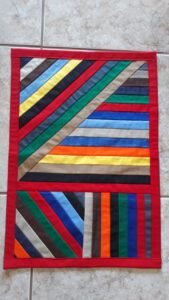
Choosing the Best Materials for a Fabric Rug with a Patchwork Pattern
Selecting quality materials is one of the most important steps when creating a Fabric rug with a patchwork pattern. The type of fabric used directly affects the rug’s durability, texture, and overall appearance. Cotton fabrics are especially popular because they are soft, easy to sew, and available in countless patterns and colors.
Denim is another excellent option for patchwork rugs because it provides strength and structure. Many crafters enjoy mixing floral cotton prints with denim squares to create a balanced contrast between softness and durability. Recycled denim from old jeans works particularly well for sustainable patchwork projects.
Fabric thickness should also be considered carefully. Combining fabrics with similar weights helps create a smoother and more even rug surface. Extremely thin fabrics may wear out faster, while overly thick fabrics can become difficult to sew together properly.
Batting or rug backing materials are often added to improve comfort and stability. Soft batting creates a cushioned texture, while non-slip backing materials help keep the rug secure on the floor. These additional layers improve both safety and functionality.
Choosing the right sewing thread is equally important for a durable Fabric rug with a patchwork pattern. Strong polyester or cotton thread helps reinforce seams and prevents fabric pieces from separating over time. Matching thread colors can create a seamless appearance, while contrasting threads add decorative detail.
Finally, using proper sewing tools makes the crafting process much easier. Rotary cutters, quilting rulers, sewing clips, and fabric scissors allow for more accurate cuts and cleaner patchwork assembly. Organized tools help maintain consistency throughout the sewing project.
Sewing Techniques for Creating a Fabric Rug with a Patchwork Pattern
Understanding basic sewing techniques is essential for producing a beautiful Fabric rug with a patchwork pattern. Beginners often start with simple square or rectangular patchwork layouts because these designs are easier to align and sew evenly. Simple patterns also help build confidence before trying more advanced designs.
Measuring and cutting fabric accurately is one of the most important patchwork skills. Uneven fabric pieces can make the rug appear distorted or difficult to assemble. Using quilting rulers and cutting mats improves precision and creates more professional-looking results.
Pinning fabric pieces before sewing helps maintain alignment during stitching. Since rugs often involve multiple layers of fabric, securing the pieces in place reduces shifting and prevents uneven seams. Fabric clips can also be useful for thicker materials like denim.
A consistent seam allowance creates cleaner patchwork layouts. Many patchwork projects use a quarter-inch seam allowance because it keeps the proportions balanced and simplifies assembly. Careful stitching greatly improves the final appearance of the rug.
Pressing seams with an iron after sewing each section helps flatten bulky fabric layers. This technique is especially useful when working with multiple patchwork blocks. Smooth seams allow the rug to lie flatter and create a more polished finish.
Quilting stitches can also enhance the durability and decorative appeal of a Fabric rug with a patchwork pattern. Straight-line quilting, grid quilting, or decorative stitching patterns help secure layers together while adding texture and artistic detail to the rug design.
Creative Design Ideas for Fabric Rug with a Patchwork Pattern
One of the most exciting aspects of making a Fabric rug with a patchwork pattern is exploring creative design possibilities. Traditional checkerboard layouts remain highly popular because they provide a clean and organized appearance that works well in many home décor styles.
Floral patchwork rugs create a soft and welcoming atmosphere. Combining pastel fabrics, floral prints, and light cotton textures can produce a cozy cottage-inspired look perfect for bedrooms or reading corners. Floral patterns add warmth and delicate beauty to handmade rugs.
Rustic-style rugs often feature denim, plaid fabrics, and earthy tones. These patchwork designs pair beautifully with farmhouse or vintage-inspired interiors. Recycled fabric elements can also add sentimental value to the finished project.
Geometric patchwork layouts offer a more modern aesthetic. Triangles, hexagons, and abstract fabric arrangements create visually striking rugs that stand out as decorative focal points. Bright color combinations can make these designs even more eye-catching.
Many crafters enjoy seasonal patchwork themes. Warm orange and brown tones create autumn-inspired rugs, while bright floral fabrics suit spring and summer decorations. Seasonal patchwork allows homeowners to refresh interior spaces throughout the year.
Children’s patchwork rugs are another creative idea. Fun prints, colorful fabrics, and playful patterns can transform a simple rug into a cheerful addition to playrooms or nurseries. Handmade children’s rugs often become treasured decorative pieces filled with personality.
Tips for Maintaining and Improving Your Patchwork Rug Skills
Practicing sewing techniques regularly is the best way to improve at making a Fabric rug with a patchwork pattern. Even small projects help develop important skills such as accurate cutting, seam consistency, and fabric coordination. Over time, these techniques become more natural and efficient.
Keeping fabric scraps organized can inspire future patchwork projects. Sorting fabrics by color, texture, or pattern makes it easier to visualize new rug layouts and experiment with creative combinations. Organized materials also reduce crafting frustration.
Experimenting with different color palettes is another excellent way to improve creativity. Neutral tones create elegant and timeless rugs, while vibrant shades add energy and personality to a room. Exploring various combinations helps develop a stronger artistic style.
Taking care of sewing equipment is equally important. Sharp needles, clean sewing machines, and quality cutting tools improve sewing accuracy and reduce fabric damage. Well-maintained tools make patchwork sewing more enjoyable and productive.
Patience is essential during the patchwork process. Sewing large rugs requires time and attention to detail, especially when aligning multiple fabric pieces. Working carefully often leads to much more satisfying and professional-looking results.
Most importantly, remember that handmade patchwork rugs are meant to reflect creativity and individuality. Every fabric combination tells a story and showcases personal style. The more experience gained with a Fabric rug with a patchwork pattern, the easier it becomes to create unique and beautiful handmade décor pieces.
FAQ About Fabric Rug with a Patchwork Pattern
What is a fabric rug with a patchwork pattern?
A Fabric rug with a patchwork pattern is a handmade rug created by sewing together multiple fabric pieces in decorative layouts to form a larger design.
What fabrics work best for patchwork rugs?
Cotton, denim, canvas, and quilting fabrics are excellent choices because they are durable, easy to sew, and available in many patterns.
Can beginners make a patchwork rug?
Yes, beginners can start with simple square patchwork designs and gradually practice more advanced sewing techniques over time.
Is recycled fabric suitable for patchwork rugs?
Absolutely. Recycled denim, old clothing, and leftover fabric scraps are commonly used in sustainable patchwork rug projects.
How do I keep my patchwork rug durable?
Using strong thread, proper backing materials, and secure quilting stitches helps improve the durability and lifespan of the rug.
What tools are useful for patchwork sewing?
Rotary cutters, quilting rulers, fabric scissors, sewing clips, and sewing machines are all very helpful for accurate patchwork assembly.
Can patchwork rugs be machine washed?
Many patchwork rugs can be gently machine washed if durable fabrics and quality stitching were used during construction.
How can I prevent my rug from slipping?
Adding non-slip backing material or rug grips helps keep the patchwork rug stable on smooth floors.
Are patchwork rugs good for home decoration?
Yes, handmade patchwork rugs add warmth, texture, color, and personality to living rooms, bedrooms, kitchens, and craft spaces.
Why are patchwork rugs so popular?
Patchwork rugs are loved because they combine sustainability, creativity, handmade craftsmanship, and practical functionality in one decorative project.
In conclusion, creating a Fabric rug with a patchwork pattern is a rewarding and creative sewing experience that combines artistic expression with practical home décor.
Throughout this article, we explored the best materials, sewing techniques, creative design ideas, and useful maintenance tips for successful patchwork rug projects. Handmade patchwork rugs continue to grow in popularity because they allow crafters to recycle fabrics, personalize their interiors, and enjoy the satisfaction of creating something truly unique.
Whether you are a beginner or an experienced sewing enthusiast, experimenting with colors, textures, and layouts can lead to beautiful and meaningful handmade creations. If you enjoyed this guide, feel free to leave your honest opinion and share your suggestions or favorite patchwork ideas for future inspiration.