
Small denim bag pattern ideas have become increasingly popular among sewing enthusiasts who love combining creativity, sustainability, and fashion.
Recycling denim has become one of the most rewarding trends in handmade crafts. Instead of discarding worn-out jeans, many crafters choose to repurpose them into attractive bags, organizers, wallets, and home accessories.
One of the greatest advantages of using denim is its exceptional durability. Unlike many lightweight fabrics, denim resists wear and tear, making it perfect for everyday bags. With the right sewing techniques, quality stitching, and thoughtful design, your finished bag can last for years. Even better, each pair of recycled jeans has its own texture, fading, and character, making every handmade project completely unique.
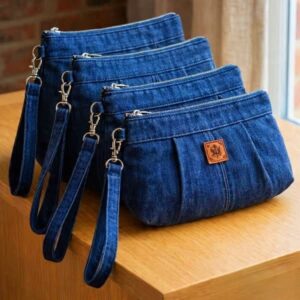
Choosing the Best Materials for a Small Denim Bag Pattern
Before starting your project, gather all the necessary materials. Besides recycled denim, you may need cotton lining fabric, matching thread, interfacing, scissors, pins, clips, and a reliable sewing machine. Good preparation makes the sewing process much smoother.
Selecting quality denim is important because different jeans vary in thickness and flexibility. Medium-weight denim is often the easiest to sew while still providing enough structure for a sturdy handbag. Avoid overly stretched denim if you want your finished bag to maintain its shape.
Lining fabric plays an equally important role. Cotton is a popular choice because it is lightweight, breathable, and available in countless colors and prints. A colorful lining can add personality to an otherwise simple denim exterior.
Interfacing provides additional support to the bag body. Depending on your design, lightweight or medium-weight fusible interfacing can improve stability without making the bag excessively stiff.
Don’t forget the hardware. Magnetic snaps, zippers, buttons, adjustable straps, and decorative rivets can enhance both functionality and appearance. Choosing high-quality accessories contributes to a more professional-looking finish.
Finally, prepare your denim before cutting. Wash and dry the jeans to remove any shrinkage, then iron the fabric flat. This simple preparation step helps ensure accurate measurements and cleaner sewing results.
Cutting and Sewing Your Small Denim Bag Pattern
Accurate cutting is the foundation of every successful sewing project. Carefully measure each pattern piece before cutting into the denim. Sharp fabric scissors or a rotary cutter help produce clean edges that are easier to sew.
Always pay attention to the grain of the fabric. Although denim is forgiving, keeping pattern pieces aligned correctly improves the overall appearance and durability of the finished bag.
When sewing denim, use a strong needle designed for heavier fabrics. Denim needles penetrate thick layers more easily and reduce the chance of skipped stitches or broken needles during construction.
A slightly longer stitch length often works better with denim. Longer stitches help create attractive seams while preventing excessive perforation of the fabric, especially when multiple layers are sewn together.
Take your time when sewing bulky seams. Areas around pockets, belt loops, or folded edges can become quite thick. Sewing slowly helps maintain straight seams and protects your sewing machine.
Press each seam as you work. Many beginners overlook this step, but pressing helps the bag maintain crisp edges and creates a polished, professional appearance throughout the entire project.
Personalizing and Improving Your Small Denim Bag Pattern
One of the most enjoyable parts of working with a small denim bag pattern is adding personal touches that make the finished project truly unique. Even a simple design can become an eye-catching accessory with thoughtful customization.
Decorative stitching is an easy way to enhance the appearance of your bag. Contrast thread, geometric patterns, or simple topstitching can highlight the natural beauty of denim while reinforcing important seams.
Recycled jean pockets are another excellent feature to include. Instead of removing them, incorporate the original pockets into your design to create ready-made storage for keys, phones, or small accessories.
Embroidery can also transform a basic bag into something special. Flowers, initials, leaves, or minimalist designs add character without making the project overly complicated. Hand embroidery creates a charming handmade look, while machine embroidery offers precise decorative details.
Adding adjustable straps increases the versatility of your bag. Depending on your needs, the bag can be carried by hand, worn over the shoulder, or used as a crossbody bag for greater comfort during daily activities.
You can also experiment with decorative patches, lace, colorful lining fabrics, fabric labels, or metal hardware. These small additions allow your small denim bag pattern to reflect your own personality while making every finished bag one of a kind.
Tips for Success and Caring for Your Small Denim Bag Pattern
Planning ahead always leads to better sewing results. Before cutting the fabric, read through your entire small denim bag pattern so you understand each construction step and can avoid unnecessary mistakes.
Practice sewing on denim scraps before working on your actual project. Testing stitch length, thread tension, and needle performance helps ensure smooth sewing once you begin assembling the bag.
Patience is one of the most valuable sewing skills. If a seam doesn’t look perfect, carefully remove the stitches and sew it again. Taking the time to correct small imperfections will significantly improve the final appearance.
After completing your bag, proper care helps preserve its beauty. Wash the bag gently by hand or use a delicate washing cycle with cold water when necessary. Avoid harsh detergents that may weaken the fibers or fade the denim too quickly.
Allow the bag to air dry naturally instead of using high heat. Excessive heat may shrink certain lining fabrics or reduce the lifespan of interfacing and decorative elements attached to the bag.
With regular care, your handmade small denim bag pattern project can remain attractive and functional for many years. Every use becomes a reminder of your creativity, sewing skills, and commitment to sustainable crafting.
Frequently Asked Questions (FAQ)
1. Is a small denim bag pattern suitable for beginners?
Yes. Many small denim bag pattern projects are beginner-friendly because they involve straight seams and simple construction techniques. Starting with an easy design is a great way to build sewing confidence.
2. What type of denim works best?
Medium-weight denim from old jeans is one of the best choices. It provides durability while remaining manageable for most home sewing machines.
3. Do I need a special sewing machine?
No. Most domestic sewing machines can sew denim successfully when equipped with the correct denim needle and quality thread.
4. Can I recycle old jeans for this project?
Absolutely. Recycling old jeans is one of the biggest advantages of making a small denim bag pattern. It saves money and gives unused clothing a beautiful second life.
5. Should I use a lining?
Yes. A lining improves the bag’s appearance, protects the inside seams, and increases overall durability.
6. Can I add pockets?
Certainly. Exterior and interior pockets make the bag much more practical for organizing everyday essentials.
7. Which closure is the most practical?
Zippers, magnetic snaps, and buttons are all excellent choices. The best option depends on your preferred style and intended use.
8. How long does it take to complete the project?
For most beginners, a simple small denim bag pattern can usually be completed in one afternoon, while more detailed versions may require additional time.
Conclusion
Creating a small denim bag pattern is a rewarding sewing project that combines creativity, sustainability, and everyday practicality.
By choosing quality denim, preparing your materials carefully, following accurate sewing techniques, and adding personalized details, you can create a beautiful accessory that is both stylish and durable. Handmade denim bags are excellent gifts, enjoyable personal projects, and a wonderful way to recycle old jeans into something useful.
Whether you are sewing your very first bag or expanding your collection of handmade accessories, every project helps improve your skills while encouraging creativity. We hope this guide has inspired you to start your next sewing adventure with confidence. If you found this article helpful, please leave your honest opinion and share your suggestions. Your feedback helps inspire new ideas and future sewing projects for everyone who enjoys handmade crafts.