
If you love combining practicality with creativity, then learning how to make a chicken bag holder made of fabric- Step by Step Tutorial is the perfect project for you. This handmade item is not only functional but also adds a charming, decorative touch to your kitchen. Bag holders are incredibly useful because they help you organize plastic bags in one place, while the chicken theme adds a fun, country-inspired look to your home.
The beauty of a chicken bag holder made of fabric lies in its simplicity and versatility. With just a few pieces of fabric, some basic sewing skills, and creativity, you can create a beautiful and practical accessory. Even if you are a beginner at sewing, this project is accessible because it requires only straight stitches and simple assembly steps. At the same time, the chicken design makes it unique compared to ordinary bag holders.
Creating your own chicken bag holder is also a wonderful way to recycle and personalize your space. Instead of buying mass-produced items, you’ll have something handmade that reflects your personality. This project is affordable, eco-friendly, and enjoyable, making it a great option for anyone who wants to practice sewing and bring charm to everyday items. Let’s go through this step by step tutorial to make your very own chicken bag holder.
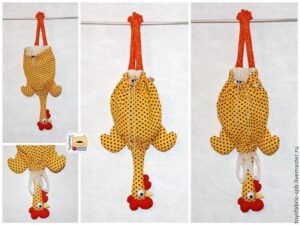
Materials Needed for the Chicken Bag Holder
Before you begin working on your chicken bag holder made of fabric- Step by Step Tutorial, it’s important to gather all the necessary materials. Choosing the right supplies ensures your final product is durable, attractive, and functional.
First, you’ll need fabric for the chicken body. Cotton fabric is the best choice because it’s easy to work with, washable, and available in countless colors and patterns. You can use solid colors or fun prints depending on your kitchen’s style. A mix of bright and neutral fabrics works well to highlight the chicken design.
Next, you’ll need some felt or contrasting fabric to make the chicken’s details, such as the comb, beak, and wings. These small accents are what bring the design to life and give your bag holder its playful look. Choosing bold colors like red, orange, or yellow will make the details stand out beautifully.
Elastic is also necessary, as it will hold the bags inside the chicken securely. You’ll use elastic for both the top and bottom openings of the holder, making it easy to insert and pull out bags while keeping everything neatly contained.
Additionally, you’ll need basic sewing supplies such as scissors, pins, a sewing machine (or needle and thread if sewing by hand), and measuring tape. A sewing machine makes the project faster, but it’s completely possible to complete this bag holder by hand if you prefer a slower, more mindful crafting process.
Finally, stuffing material like cotton or polyester fiberfill can be used to give the chicken’s head and wings a fuller, more three-dimensional look. This step is optional, but it really enhances the final appearance of your fabric chicken.
Cutting and Preparing the Fabric
The first step in the chicken bag holder made of fabric- Step by Step Tutorial is cutting your fabric pieces. Preparation is key for ensuring that the sewing process goes smoothly, so take your time with this stage.
Start by measuring the main body of your bag holder. A rectangular piece of fabric, approximately 18 inches wide by 24 inches long, usually works well for most kitchens. This piece will form the main pocket where the plastic bags are stored. Adjust the measurements if you need a larger or smaller holder.
Next, cut smaller fabric pieces for the chicken’s head, wings, and tail. These decorative elements don’t have to be large, but they should be proportional to the body. You can sketch the shapes on paper first to create a template, then trace them onto your fabric before cutting.
For the comb and beak, felt works wonderfully since it doesn’t fray. Cut small shapes that can be stitched or glued to the chicken’s head. Red felt is ideal for the comb, while yellow or orange fabric is great for the beak.
Remember to also cut two strips of elastic, one for the top and one for the bottom of the bag holder. Each strip should be about 10 inches long, though you can adjust based on how tight you want the opening to be.
Once all the fabric pieces are ready, iron them to remove any wrinkles. Smooth fabric makes sewing easier and ensures your bag holder has a neat and professional look. Taking this extra step can make a big difference in the final outcome of your project.
At this stage, you can also decide if you’d like to add lining fabric inside the bag holder. Lining makes the holder more durable and helps it maintain its shape over time. It’s optional but highly recommended for a polished finish.
Sewing the Chicken Bag Holder
Now comes the most exciting part of the chicken bag holder made of fabric- Step by Step Tutorial—sewing all the pieces together. Don’t worry if you’re a beginner; the process is simple and straightforward when broken down into steps.
Begin with the main body of the bag holder. Fold the large rectangular piece of fabric in half lengthwise, with the right sides facing each other. Sew along the edge to form a tube, leaving both ends open. This tube will hold the bags once the elastic is added.
Next, create a casing for the elastic at the top and bottom edges of the tube. Fold the fabric over about one inch, then sew along the edge, leaving a small gap. Insert the elastic using a safety pin, pull it through the casing, and sew the ends together. Repeat this for both openings. Now you have a stretchy pocket ready to hold your plastic bags.
Attach the chicken’s head to the top of the bag holder. Sew the head piece securely and add details like the comb, beak, and eyes. If you’re using stuffing, fill the head lightly before attaching it. This gives the chicken a cute and lively appearance.
Next, sew the wings onto the sides of the bag holder. You can either sew them flat or stuff them slightly to add dimension. These wings are decorative but help emphasize the chicken design.
Finally, add the tail at the bottom if you wish. A small piece of fabric or felt shaped like feathers completes the look and makes the bag holder even more charming. Once all the parts are attached, your chicken bag holder is ready to use!
At this point, give your project one last check for loose threads or uneven seams. Trim and adjust as needed to ensure your bag holder looks neat and sturdy.
Decorating and Using Your Chicken Bag Holder
The last part of the chicken bag holder made of fabric- Step by Step Tutorial is decorating and enjoying your handmade creation. This step is where you can really let your creativity shine.
Consider adding buttons, embroidery, or fabric paint to give your chicken extra personality. For example, stitching simple patterns on the wings or using buttons as eyes can make your holder unique. Every detail adds character and charm to the finished piece.
You can also personalize the chicken bag holder with different fabric combinations. Using floral fabric for the body or polka dots for the wings creates a playful and colorful design. Matching the fabric with your kitchen décor makes the holder blend seamlessly into your home.
Once your chicken bag holder is complete, hang it in a convenient spot in your kitchen. Most people place it near the sink, on a pantry door, or by the refrigerator for easy access to plastic bags. With the elastic top, inserting new bags is simple, and pulling them out from the bottom is just as easy.
This bag holder not only keeps your kitchen tidy but also adds a fun decorative touch. Guests will likely notice the cute chicken design, and it can even become a conversation starter. Handmade items like this show care and attention to detail, making your kitchen feel warmer and more inviting.
The best part is that you can make multiple bag holders in different styles. They also make thoughtful, practical gifts for friends and family who enjoy handmade crafts. A chicken bag holder is a perfect example of combining functionality with creativity.
Finally, enjoy the satisfaction of using something you made with your own hands. Each time you pull a bag from the holder, you’ll appreciate the effort and creativity you put into this project.
FAQ about Chicken Bag Holder
1. What is the purpose of a chicken bag holder?
A chicken bag holder is used to store and organize plastic bags in one place while also serving as a cute decorative item in the kitchen.
2. Can beginners make this project?
Yes, this chicken bag holder made of fabric- Step by Step Tutorial is beginner-friendly. It uses simple stitches and basic sewing techniques, making it suitable for anyone new to sewing.
3. What type of fabric works best for a bag holder?
Cotton is the best fabric because it’s durable, washable, and easy to sew. However, you can also experiment with other lightweight fabrics if you prefer.
4. Do I need a sewing machine to make a chicken bag holder?
No, a sewing machine makes the process faster, but you can also complete this project by hand using needle and thread. It just requires more time and patience.
5. How big should a chicken bag holder be?
The size depends on your needs, but a common size is about 18 inches wide by 24 inches long. This allows it to hold plenty of plastic bags without taking up too much space.
6. Can I wash the chicken bag holder?
Yes, most fabric bag holders can be washed. If you’ve added stuffing or delicate decorations, hand washing is recommended to keep the details intact.
Conclusion
In this article, we learned how to make a chicken bag holder made of fabric- Step by Step Tutorial with simple materials and easy sewing techniques. We covered everything from choosing fabrics and preparing your pieces to sewing, decorating, and using the finished holder.
This project is practical, affordable, and fun, making it a great option for beginners or experienced crafters alike. A chicken bag holder is more than just an organizer—it’s a decorative piece that brings personality to your kitchen.
Now it’s your turn to give it a try! Follow this tutorial, enjoy the process, and create your own unique chicken bag holder. Don’t forget to leave your honest opinion and share suggestions—I’d love to hear about your experience and how your project turned out.