
If you have been searching for a DIY Simple Bag Sewing – Step by Step Tutorial, you are in the right place. Sewing your own bag is not only a creative experience but also a way to design a functional accessory that matches your personal style. Handmade bags are highly valued because they bring together practicality, fashion, and uniqueness in one single project. In this article, you will find a detailed guide that will help you create a simple bag from scratch, even if you are a beginner in sewing.
The great thing about this DIY simple bag sewing project is that you don’t need advanced skills or expensive materials. With some basic fabric, a sewing machine, and a few accessories, you can craft a bag that looks both professional and handmade with love. Whether you are making it for yourself, as a gift, or even to sell, this tutorial is structured to provide clear instructions while also encouraging creativity and personalization.
Throughout this step by step tutorial, you will learn how to prepare your materials, cut and assemble the fabric, add a lining, and finish your bag with neat stitches. By the end, you will not only have a bag ready to use but also a set of skills you can apply to future sewing projects. Now let’s dive into this tutorial and discover how rewarding it can be to create something unique with your own hands.
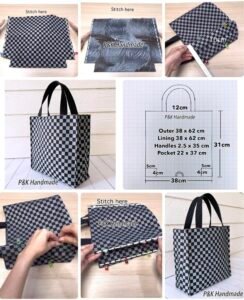
Choosing the Right Materials for Your DIY Bag
The first step in any DIY simple bag sewing project is gathering the right materials. Choosing fabric plays a crucial role in the outcome of your bag. Cotton fabric is one of the most recommended options because it is easy to work with, durable, and widely available. For a sturdier bag, you may also consider canvas or denim, which give structure and strength. These fabrics ensure that your handmade bag is not only beautiful but also practical and long-lasting.
In addition to the main fabric, you will need lining material. Lining adds a clean and professional look inside the bag, while also strengthening the seams. A simple cotton lining is great for beginners, but you can also explore polyester or satin for a smoother finish. The lining provides durability and allows the bag to carry more weight without losing shape.
Handles are another important element. You can make fabric straps from the same fabric as the bag or use pre-made handles such as leather straps. Both options are practical, but fabric straps are often easier for beginners because they can be stitched directly from the fabric used in the body of the bag. The choice of handle can also define whether your bag looks casual, elegant, or sturdy.
Accessories such as zippers, magnetic snaps, or buttons are optional but recommended for making your bag more functional. Beginners often prefer magnetic snaps because they are easier to attach, but if you want more security, zippers are the best choice. Decorative elements like lace, ribbons, or embroidery can also be added for a more personal touch.
Tools are just as important as materials. You will need a sewing machine, fabric scissors, pins, measuring tape, and an iron. These are basic items that every sewing enthusiast should have. Having the right tools will make the process smoother, faster, and more enjoyable.
When gathering materials, make sure to pre-wash your fabric before cutting it. This step prevents shrinkage after your bag is finished and ensures the bag keeps its shape and size over time. Preparing your materials well is the foundation of a successful sewing project.
Cutting and Preparing the Fabric
Once the materials are ready, the next step in this DIY Simple Bag Sewing – Step by Step Tutorial is cutting and preparing the fabric. Start by measuring the desired size of your bag. A standard size is around 14 x 16 inches, but you can adjust this depending on whether you want a smaller tote or a larger shopping bag. Always use a ruler or measuring tape for accuracy, and mark the fabric with fabric chalk for clean cutting lines.
Cut two identical rectangles from your main fabric for the front and back of the bag. If you are using a patterned fabric, make sure the prints align properly. Then, cut two additional rectangles from your lining fabric, making sure they are the same size as the main pieces. This ensures that your lining will fit perfectly inside the bag without causing folds or gaps.
Next, prepare the straps. Cut two strips of fabric, about 20 to 24 inches long and 3 inches wide. Fold each strip lengthwise with the right sides facing together and sew along the edge. Then, turn them inside out to reveal the right side of the fabric, and press them flat with an iron. This will give you sturdy and neat straps ready to be attached later.
Before assembling, it’s also important to finish the raw edges of your fabric pieces. You can use a zigzag stitch or a serger to prevent fraying. While this step is optional for thick fabrics like canvas, it is highly recommended for cotton or lighter fabrics. Clean edges not only make your bag more durable but also give it a professional appearance.
Ironing is an often-overlooked step but makes a big difference. Pressing your fabric pieces flat before sewing ensures that seams line up properly and that your finished bag looks crisp and neat. This simple step makes sewing easier and prevents mistakes along the way.
Once your fabric is cut, pressed, and edges finished, you are ready to move on to the actual sewing process. Proper preparation makes the rest of the tutorial much more straightforward.
Sewing the Bag Step by Step
This is the most exciting part of the DIY Simple Bag Sewing – Step by Step Tutorial: assembling and sewing the bag. Begin by placing the two main fabric pieces right sides together. Pin them in place along the edges, leaving the top open. Sew along the two sides and the bottom using a straight stitch, keeping a seam allowance of about ½ inch. After sewing, press the seams open with an iron.
Repeat the same process with the lining pieces, but this time leave a small opening at the bottom, around 3 inches wide. This opening will allow you to turn the bag inside out later. Make sure the seams are straight and secure, as this will ensure the lining fits properly inside the main bag.
Now it’s time to create a flat bottom for your bag. To do this, pinch each bottom corner of the bag so that the side seam aligns with the bottom seam, forming a triangle. Measure about 2 inches from the tip of the triangle and draw a line across. Sew along this line and trim the excess fabric. Repeat the same step with both corners of the main bag and the lining. This technique creates depth and allows your bag to stand upright.
Next, insert the straps. Place each strap between the layers of the main fabric and lining, positioning them equally on both sides of the bag opening. Make sure the ends of the straps extend slightly into the seam allowance. Pin them securely so they don’t shift during sewing.
With the straps in place, put the lining inside the main fabric, with right sides facing each other. Match the side seams and pin around the top edge. Sew all around the top opening in one continuous stitch. This will secure the straps and connect the lining to the bag.
Finally, turn the bag right side out through the opening you left in the lining. Once the bag is turned, sew the opening in the lining with a small straight stitch or by hand. Push the lining inside the bag, press the top edge flat, and sew a topstitch around for a neat finish. Your handmade bag is now complete.
Finishing Touches and Customization
The last step of this DIY Simple Bag Sewing – Step by Step Tutorial is adding finishing touches and customizing your creation. Even a simple bag can look unique and stylish with a few decorative details. You can add buttons, embroidery, or appliqué designs to the front of the bag to make it more personal. Ribbons, lace, or fabric flowers are also wonderful options for those who enjoy a feminine and elegant touch.
If you prefer a more minimalist look, consider using contrasting thread for the topstitching. This subtle detail creates a polished effect and highlights the craftsmanship of your bag. Another idea is to use patterned fabric for the lining, creating a fun surprise every time you open your bag.
For those who want extra functionality, you can add pockets inside or outside the bag. An interior pocket is useful for keeping keys or a phone, while an exterior pocket adds convenience for frequently used items. Adding zippers or magnetic snaps provides more security, making the bag suitable for everyday use.
Handles can also be customized. If you started with fabric straps, you can replace them later with leather handles for a more professional finish. Adjustable straps can transform your tote into a shoulder bag or crossbody style. These small changes can completely transform the look and purpose of your bag.
You can also experiment with size. Once you understand the sewing process, you can scale the bag up or down to make everything from small gift bags to large grocery totes. Sewing allows endless possibilities, and each variation helps improve your skills.
Personalization makes your bag unique. Don’t hesitate to let your creativity flow and adapt this tutorial to reflect your own style. This is what makes DIY sewing projects truly special.
FAQ About DIY Simple Bag Sewing
1. Can beginners follow this DIY Simple Bag Sewing – Step by Step Tutorial?
Yes, this tutorial is designed with beginners in mind. The steps are simple, and with patience, even someone new to sewing can complete a bag successfully.
2. What is the best fabric for sewing a simple bag?
Cotton is the easiest fabric for beginners because it is easy to cut and sew. Canvas and denim are also excellent for sturdier bags.
3. Do I need a sewing machine to make this bag?
A sewing machine makes the process faster and neater, but you can also sew this bag by hand using backstitch for durability.
4. How long does it take to make a DIY bag?
On average, it takes about 2 to 3 hours for beginners. As you gain experience, you can finish even faster.
5. Can I wash my handmade bag in the washing machine?
Yes, most fabric bags can be washed in the machine, especially if made with cotton. However, if you add leather handles or special embellishments, hand washing is recommended.
6. Is it possible to sell handmade bags like these?
Definitely. Handmade bags are popular in craft markets and online shops. Just ensure your stitches are strong and the finish is neat.
Conclusion
This DIY Simple Bag Sewing – Step by Step Tutorial has shown you how easy and enjoyable it is to create a handmade bag from scratch. From choosing materials and cutting fabric to sewing and adding finishing touches, every step helps you improve your skills while creating something useful and stylish.
Sewing your own bag is not only a practical project but also a creative outlet that allows you to personalize every detail.
Now that you know the process, I encourage you to try making your own bag and see how satisfying it feels to use something you made with your own hands. I would love to hear your thoughts about this tutorial. Please leave a sincere opinion and share your suggestions to inspire even more creative sewing projects.