
If you love sewing, quilting, or crafting, you know how essential a pincushion is. In this Easy DIY Pincushion Patterns – How to Make a Pincushion-Step by Step Tutorial, we’ll guide you through everything you need to create a beautiful and functional pincushion right at home. Making your own pincushion allows you to customize its size, shape, and design to suit your personal style. It’s an enjoyable project that even beginners can complete with ease, using just a few basic materials and tools.
A pincushion is more than just a handy sewing accessory; it’s a little piece of art that reflects your creativity. Whether you’re an experienced crafter or someone just starting to explore sewing, this Easy DIY Pincushion Patterns – How to Make a Pincushion-Step by Step Tutorial will help you design something that’s both practical and decorative. You’ll learn how to make simple fabric pincushions, shaped designs, and even upcycled versions using household materials.
Besides being an essential tool for organizing pins and needles, pincushions can also be given as thoughtful handmade gifts. They are small, easy to personalize, and can be made from leftover fabric scraps. Throughout this tutorial, you’ll discover different DIY pincushion patterns that are quick to make but look stunning on your sewing table. Let’s start crafting your new favorite sewing accessory!
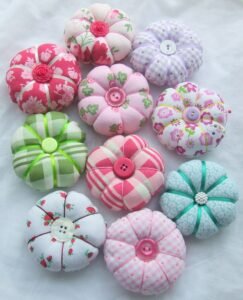
Materials You’ll Need for Your DIY Pincushion
Before starting this Easy DIY Pincushion Patterns – How to Make a Pincushion-Step by Step Tutorial, it’s important to gather all the necessary materials. One of the best things about making pincushions is that they require minimal supplies — you might already have most of them at home!
The basic materials you’ll need include fabric, scissors, thread, needle or sewing machine, stuffing, and pins. Cotton fabric is usually the best choice because it’s durable and easy to sew. You can also use felt, linen, or any fabric that doesn’t stretch too much. Choose fabrics with fun prints or colors that brighten up your workspace.
For the stuffing, you can use polyester fiberfill, wool, or even small fabric scraps. Some people also like to add a small amount of sand or crushed walnut shells to help keep pins sharp and stable. Just make sure you enclose them properly inside the fabric to avoid any leakage.
You’ll also need a sewing machine if you prefer faster stitching, though hand-sewing works perfectly fine for this small project. A basic sewing kit with scissors, pins, and a ruler will make your work easier and more organized.
If you’d like to decorate your pincushion, gather some ribbons, buttons, or lace trims. These little embellishments can make your pincushion look unique and personal. Before you start sewing, make sure your materials are clean and pressed to achieve a neat finish.
Finally, choose a safe, comfortable space to work on your project. Having a tidy workspace will help you stay focused and prevent small items like needles and pins from getting lost.
Step-by-Step Tutorial: How to Make a Basic Pincushion
Now that you have your materials ready, let’s begin the main part of our Easy DIY Pincushion Patterns – How to Make a Pincushion-Step by Step Tutorial. Making a pincushion is simple and can be done in a few easy steps. Follow along carefully, and soon you’ll have your first handmade pincushion ready to use.
Start by cutting two pieces of fabric into a square, circle, or any shape you like. A 4×4 inch square is a great starting size. Place the two fabric pieces together with the right sides facing each other. Pin them in place to keep the edges aligned.
Using your sewing machine or needle and thread, stitch around the edges, leaving a small gap of about one inch unstitched. This gap will allow you to turn the fabric right side out later. Make sure your stitches are tight enough so that the stuffing won’t come out.
Turn your fabric right side out through the opening. Use a pencil or a blunt tool to gently push out the corners if you’re making a square shape. Once it’s turned, fill your pincushion with stuffing. Add small amounts at a time until it’s full and firm but not overstuffed.
When you’re happy with the filling, stitch the opening closed using an invisible or ladder stitch. This will make your pincushion look neat and professional. Take your time with this step for a clean finish.
If you want to make your pincushion even more special, you can add a button in the center. Thread a long needle through the middle of the cushion from top to bottom, pulling tightly to create a tufted effect. This gives your pincushion a charming, finished look.
Your basic pincushion is now complete! It’s ready to hold your sewing pins and needles safely while adding a touch of handmade beauty to your workspace.
Creative Pincushion Design Ideas
Once you master the basic design in this Easy DIY Pincushion Patterns – How to Make a Pincushion-Step by Step Tutorial, you can start experimenting with creative variations. The possibilities are endless when it comes to shape, size, and decoration.
One fun idea is to create a mason jar pincushion. To make this, simply attach a small fabric cushion to the lid of a jar using glue or stitching. The jar below can hold buttons, needles, or threads, making it both decorative and functional.
You can also make a wrist pincushion, perfect for keeping pins close while you’re sewing. Attach an elastic band or a strip of Velcro to the bottom of your cushion, and you’ll have a wearable sewing accessory. It’s especially useful for quilters and dressmakers who need to pin fabrics quickly.
Another charming design is the cupcake pincushion. Use a small baking cup or silicone mold as the base and shape your stuffed fabric into a dome to resemble icing. Add decorative buttons or tiny felt shapes to make it look like a sweet treat.
For a rustic or eco-friendly style, try using recycled materials such as old denim, felted wool sweaters, or fabric scraps. Upcycling not only saves money but also gives your pincushion a unique character.
If you enjoy embroidery, you can personalize your pincushion by adding stitched initials, flowers, or patterns on the fabric before assembling it. These details make your pincushion feel extra special and can turn it into a meaningful handmade gift.
Finally, consider making themed pincushions for different seasons or holidays. For example, a pumpkin-shaped pincushion for autumn or a heart-shaped one for Valentine’s Day can bring a festive touch to your sewing area.
Useful Tips for Perfect Pincushions
To make sure your Easy DIY Pincushion Patterns – How to Make a Pincushion-Step by Step Tutorial results in professional-looking pincushions, keep these helpful tips in mind. A few small adjustments can make a big difference in the quality and durability of your finished piece.
First, always press your fabric before sewing. Wrinkle-free fabric helps ensure even stitches and clean edges. If you’re using printed fabric, make sure the pattern lines up neatly before you cut your pieces.
When stuffing your pincushion, use small handfuls of filling at a time. This helps distribute the stuffing evenly and prevents lumps. Use your fingers or a chopstick to reach the corners if needed.
Choose a strong, high-quality thread to stitch your pincushion. Since you’ll be inserting pins frequently, you want your seams to stay secure and tight. Reinforce the edges by sewing twice if needed.
If you plan to add decorations like buttons or ribbons, make sure they’re securely attached. You don’t want small embellishments to come loose while you’re using your pincushion.
For safety, keep in mind that some fillings like crushed walnut shells are not suitable for people with nut allergies. In that case, stick with polyester or fabric scraps as your filler.
Lastly, don’t forget to label your pincushion set if you make more than one. Having different pincushions for needles, pins, and quilting supplies helps keep your workspace organized and efficient.
Easy DIY Pincushion Patterns – How to Make a Pincushion-Step by Step Tutorial
1. What is the best fabric for making pincushions?
Cotton and linen are the best choices because they’re durable, easy to sew, and hold their shape well. Avoid stretchy or slippery fabrics for beginners.
2. What can I use to fill my pincushion?
You can use polyester fiberfill, wool, or fabric scraps. For extra weight, add rice or crushed walnut shells inside a small inner pouch.
3. How big should a pincushion be?
The most common size is around 4 inches wide, but you can make it larger or smaller depending on your needs. Small ones are great for travel kits.
4. Can I make pincushions without a sewing machine?
Yes! This project can be completed entirely by hand using basic stitches. It just takes a little more time and patience.
5. Why is my pincushion not holding its shape?
You may have used too little stuffing or fabric that’s too soft. Add more filling and make sure your stitches are tight enough.
6. Are DIY pincushions good for gifts?
Absolutely! Handmade pincushions make thoughtful and practical gifts for anyone who sews or enjoys crafts. You can personalize them with fabric, colors, and embellishments.
Conclusion
We’ve reached the end of this Easy DIY Pincushion Patterns – How to Make a Pincushion-Step by Step Tutorial, and now you know how to create beautiful, practical pincushions from start to finish. From selecting materials to adding your personal touch, this project combines creativity, functionality, and the joy of handmade crafting.
Whether you make one for yourself or as a gift, each pincushion will be a unique reflection of your style and care. Take time to experiment with shapes, fabrics, and decorations to make your creations truly special.
If you enjoyed this tutorial, please leave your honest opinion and suggestions below. Your feedback helps inspire more creative ideas for future projects — and we’d love to hear how your pincushions turned out!