
If you’ve ever wanted to create a stylish accessory that combines elegance, craftsmanship, and personalization, this Fabric bow tie with pointed tip – Step by Step Tutorial is the perfect project for you. A handmade fabric bow tie not only adds sophistication to any outfit but also gives you the chance to showcase your creativity and attention to detail. Whether you want to craft one for a special occasion or as a thoughtful gift, this step-by-step guide will walk you through the process of making a professional-looking pointed-tip bow tie from scratch.
The beauty of a fabric bow tie with pointed tip lies in its versatility. It’s suitable for formal events like weddings, parties, or ceremonies but can also be worn casually to add personality to an everyday look. The pointed tip design gives it a distinctive and modern edge compared to traditional straight-cut bow ties. Plus, sewing your own bow tie allows you to choose the perfect fabric—whether it’s cotton, silk, linen, or even velvet—and match it to your preferred style or theme.
This Step by Step Tutorial is beginner-friendly and requires only basic sewing skills. You don’t need an expensive sewing machine; you can sew it by hand if you prefer. With the right tools and a bit of patience, you’ll create a stylish and well-structured accessory that looks store-bought. Let’s dive into the process of making your own fabric bow tie with pointed tip and explore the materials, sewing techniques, and customization ideas to make your bow tie truly one of a kind.
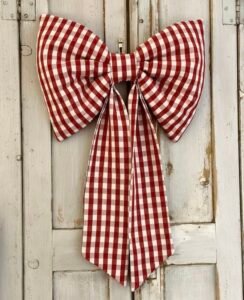
Materials Needed for the Fabric Bow Tie
Before starting the Fabric bow tie with pointed tip – Step by Step Tutorial, it’s important to gather all the necessary materials. Using the right fabric and tools will make a big difference in the final appearance and durability of your project.
Start by choosing a high-quality fabric. Cotton is an excellent choice for beginners because it’s easy to cut and sew, but silk or satin can create a more luxurious finish. The fabric should be medium-weight—too thin, and the bow tie won’t hold its shape; too thick, and it will be difficult to fold neatly. You’ll need a piece approximately 12 inches by 8 inches for the main bow, and a smaller strip for the center knot.
You’ll also need interfacing to add stiffness and help the fabric bow tie with pointed tip maintain its form. Fusible interfacing is ideal because it can be easily ironed onto the back of the fabric. Choose a lightweight or medium interfacing depending on how firm you want your bow tie to be.
Gather your basic sewing tools: scissors, pins, a sewing machine (or needle and thread), an iron, a ruler or measuring tape, and a fabric marker or chalk. If you want the bow tie to be adjustable, you’ll also need a bow tie clasp or hook set, which can be found in most fabric or craft stores.
Make sure to pre-wash your fabric if it’s made of natural fibers. This prevents shrinking or color bleeding later. Once dry, iron the fabric to remove wrinkles, ensuring precise cutting and sewing throughout the tutorial.
With all your materials ready, set up a clean, well-lit workspace. Having everything organized will make following the Step by Step Tutorial much smoother and more enjoyable.
Cutting and Preparing the Fabric
Now that your materials are ready, it’s time to start cutting and preparing your fabric for this Fabric bow tie with pointed tip – Step by Step Tutorial. Precision during this step ensures that your bow tie will be symmetrical and neatly finished.
Begin by drawing the bow tie pattern on the fabric. You can create your own pattern or trace one from an existing bow tie. The pointed tip design means the ends should come to a sharp “V” shape rather than the usual square edge. The pattern should measure about 19 inches in length and 2.5 inches in width for an adult-size bow tie.
Once the pattern is drawn, carefully cut out two identical pieces of fabric—one for the front and one for the back. Then, cut two matching pieces of interfacing. Iron the interfacing onto the wrong side of both fabric pieces. This will help give the fabric bow tie with pointed tip its structure and crisp appearance.
Place the two fabric pieces together with the right sides facing each other. Pin along the edges to keep them aligned. Make sure the pointed ends match perfectly. Leave a small opening in the center, about 2 inches wide, which you’ll use later to turn the fabric right side out.
Sew along the pinned edges with a ¼-inch seam allowance, following the outline of the bow tie carefully. Pivot at the points to keep them sharp and clean. Once finished, trim any excess fabric around the corners and curves to reduce bulk.
Use a small pair of scissors or a turning tool to turn the bow tie right side out through the opening. Gently push out the corners using a blunt tool to form clean points. Press the entire bow tie with an iron, making sure the edges are crisp and smooth.
Finally, close the opening by stitching it neatly by hand or topstitching close to the edge. Your bow tie base is now complete and ready for assembly.
Assembling and Shaping the Bow Tie
This stage of the Fabric bow tie with pointed tip – Step by Step Tutorial is where your project truly takes shape. The goal is to fold and secure the fabric so it forms the elegant bow we all recognize.
Lay your finished bow tie base flat on a table. Fold each pointed end toward the center, overlapping slightly. Adjust the folds until the shape looks balanced and even. The pointed tips should be visible at both ends, giving the bow its distinctive flair.
Once satisfied with the positioning, pinch the center of the bow tie to create that classic gathered effect. Wrap a piece of thread around the middle several times and tie it tightly to hold the folds in place. This step defines the bow’s shape and ensures it stays secure.
Next, take the smaller strip of fabric (usually 2 inches by 4 inches) that will form the center knot. Fold it lengthwise, right sides together, and sew along the long edge. Turn it right side out, press it flat, and wrap it around the center of your fabric bow tie with pointed tip.
Adjust the knot until it looks symmetrical, then sew or glue the back of the knot securely. If you’re making a clip-on or adjustable bow tie, attach the hardware at this point. You can sew the ends of the strap to the back of the knot and add a clasp or hook to fit around the neck comfortably.
Finally, give your bow tie one last press to ensure it’s neat and professional-looking. The pointed tips should stand out beautifully, and the fabric should hold its shape firmly. You now have a handmade fabric bow tie with pointed tip that’s ready to wear or gift.
Styling and Customizing Your Bow Tie
A Fabric bow tie with pointed tip is more than just an accessory—it’s a statement piece that reflects your personality and style. This section will show you how to customize your creation and wear it with confidence.
One of the easiest ways to personalize your bow tie is through fabric choice. Cotton prints with polka dots or stripes create a playful, casual look, while solid silk or satin fabrics lend elegance for formal occasions. For a festive touch, try metallic or patterned fabrics with subtle shimmer.
You can also experiment with color combinations. Use contrasting fabric for the center knot or add a decorative stitch around the edges for a handcrafted detail. A patterned bow tie paired with a solid shirt creates a bold fashion statement that stands out beautifully.
If you’re making bow ties for an event such as a wedding, consider matching the fabric with the theme or color palette. Handmade fabric bow ties with pointed tips can serve as thoughtful groomsmen gifts or even accessories for children in the wedding party.
For those who love crafting, this project can also become a small business opportunity. Personalized bow ties are popular gifts, and offering unique, custom designs can attract attention at craft fairs or online stores.
Lastly, care for your handmade bow tie properly. Always hand wash gently in cool water and let it air dry. Iron on a low setting to maintain its crisp shape. With the right care, your fabric bow tie with pointed tip will stay beautiful and ready to wear for years.
Fabric Bow Tie with Pointed Tip
1. What fabric works best for a fabric bow tie with pointed tip?
Cotton, silk, or satin fabrics are ideal. Cotton is easy to sew and great for beginners, while silk and satin provide a luxurious finish for formal occasions.
2. Can I sew this bow tie by hand?
Yes! You can complete the entire fabric bow tie with pointed tip – Step by Step Tutorial by hand if you don’t have a sewing machine. It will take a bit longer, but the results can be just as professional.
3. How do I make sure the pointed tips look sharp?
Trim excess fabric around the corners and use a turning tool to push the points out carefully before ironing. Pressing the bow tie well ensures crisp, clean edges.
4. Is interfacing necessary?
Yes, interfacing gives the bow tie structure and helps it hold its shape. Fusible interfacing is recommended for convenience and consistency.
5. Can I make an adjustable bow tie?
Absolutely. You can add a strap with a clasp or hook to make your bow tie adjustable. This is especially useful if you’re making it as a gift.
6. How can I personalize my bow tie?
You can use patterned fabrics, contrasting center knots, embroidery, or even fabric paint to make your bow tie one of a kind.
Conclusion
Creating your own fabric bow tie with pointed tip is a rewarding project that combines practicality with creativity. Throughout this Step by Step Tutorial, you learned how to choose materials, cut and prepare your fabric, sew the bow, and shape it into a refined, stylish accessory. The pointed tip adds a modern touch, making your handmade bow tie stand out from traditional designs.
Now that you know how to make a fabric bow tie with pointed tip, it’s time to bring your own version to life! Experiment with fabrics, colors, and patterns to reflect your personal taste. Whether for formal events, everyday wear, or thoughtful gifts, your handmade creation will surely impress.
If you enjoyed this tutorial, please leave your sincere opinion and suggestions. Your feedback helps inspire more creative projects and encourages others to discover the joy of crafting their own stylish accessories.