
If you’ve ever wanted to add a handmade touch to your home, this Fun and easy to make pillow – Step by Step Tutorial is the perfect project for you. Whether you’re a beginner or an experienced crafter, creating your own pillow is a relaxing and rewarding way to personalize your space. The process is simple, enjoyable, and gives you full control over the design, colors, and textures. In this article, you’ll learn how to make a cozy, beautiful pillow from start to finish — using easy-to-follow steps and materials that you likely already have at home.
Making a fun and easy pillow is not just about sewing fabric together; it’s about bringing creativity to life. Each pillow you make reflects your style — whether that’s minimalistic, colorful, or rustic. Handmade pillows can instantly brighten up any room, adding comfort and personality to your decor. Plus, this project is beginner-friendly, meaning you don’t need professional sewing skills to create something stunning and practical.
By following this Step by Step Tutorial, you’ll discover how enjoyable and affordable it can be to make your own home decor. From choosing fabrics and cutting patterns to sewing and finishing touches, this guide will help you through every detail. Once you complete your first pillow, you’ll be amazed by how simple the process is, and you’ll likely want to make more — as gifts, decor pieces, or even to sell at local craft fairs.Now, let’s dive into this Fun and easy to make pillow – Step by Step Tutorial, where creativity meets comfort, and every stitch brings you closer to your handmade masterpiece.
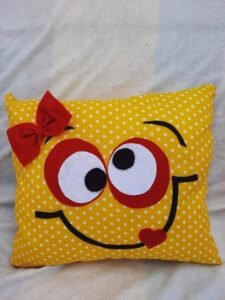
Choosing the Right Materials for Your Pillow
Before you begin, gathering the right materials is essential for success. To make a fun and easy pillow, you’ll need fabric, stuffing, scissors, thread, a sewing machine or needle, and measuring tools. The fabric you choose will set the tone for your project — cotton is great for beginners because it’s easy to work with, while linen or velvet can create a more elegant look.
Think about where your pillow will be used. For a living room, go for bold, patterned fabrics that make a statement. For a bedroom, soft and cozy materials like flannel or fleece work beautifully. You can even repurpose old clothes or curtains to make your pillow more sustainable and personal.
When it comes to stuffing, polyester fiberfill is the most common choice. It’s fluffy, lightweight, and affordable. However, for an eco-friendly option, try using shredded memory foam or natural cotton. Always ensure that your stuffing material is evenly distributed to maintain the pillow’s shape and comfort.
If you’re new to sewing, don’t worry. You can use fabric glue or no-sew methods to attach your pieces. There are many creative alternatives that still result in beautiful and durable pillows. The key is to choose tools and materials that match your skill level.
Color coordination is also important. Choose shades that complement your room decor or seasonal themes. Neutral tones create a calm, modern look, while bright hues add energy and playfulness. A good rule of thumb is to balance patterns with solid colors to avoid an overly busy appearance.
Once you have all your materials ready, you’re set to start crafting. Preparation makes the process smoother and ensures that you’ll enjoy every step of this Fun and easy to make pillow – Step by Step Tutorial.
Cutting and Preparing Your Fabric
The cutting process is where your pillow begins to take shape. Start by deciding the size of your pillow — standard sizes are 16×16 inches or 18×18 inches, but you can customize it based on your preference. Remember to add an extra inch on all sides for seam allowance.
Lay your fabric on a flat surface and use a ruler or measuring tape to mark your dimensions. A rotary cutter can make precise cuts, but scissors work just as well. For beginners, it’s best to use simple square or rectangular shapes before experimenting with circles or decorative patterns.
Once your pieces are cut, iron the fabric to remove wrinkles. This step ensures your sewing lines will be straight and smooth. If you’re using patterned fabric, make sure the designs align correctly when both sides are placed together. This attention to detail gives your pillow a professional finish.
If you’d like to add embellishments — such as lace, embroidery, or buttons — now is the time to sew or glue them onto the fabric’s front side. This personalization step can transform a simple pillow into a unique decorative piece.
Double-check your cuts and designs before moving forward. Any small misalignment can affect the final appearance, so patience and accuracy go a long way. As you can see, every step in this Fun and easy to make pillow – Step by Step Tutorial contributes to a beautiful result.
After everything is prepared, you’re ready for the most exciting part — sewing your pillow together.
Sewing Your Pillow
Place your two fabric pieces together with the right sides facing each other. Pin the edges to hold them in place, leaving one small section open (about 3-4 inches) to insert the stuffing later. Using a sewing machine or hand-stitching technique, sew along the edges about half an inch from the border.
If you’re new to sewing, go slowly and make sure your stitches are even. Backstitch at the beginning and end to secure the seams. This step ensures your pillow won’t come apart over time. A straight stitch works best for most pillow designs, but if you’re feeling creative, you can experiment with zigzag stitches for a decorative edge.
Once you’ve sewn around the fabric, trim any excess threads and corners. Be careful not to cut through your stitching. Turning the fabric right-side out through the opening will reveal your pillow’s true shape. Ironing it again at this stage can help it look neat and crisp.
Next, it’s time to fill your pillow. Use your hands to stuff the fiberfill evenly, reaching all corners to avoid lumps. The amount of stuffing depends on how firm or soft you want your pillow to be.
After filling, fold the open edge inward and sew it closed with small, invisible stitches. If you used fabric glue, let it dry completely before handling. Once sealed, give your pillow a gentle shake and fluff to ensure it’s evenly shaped.
Congratulations — you’ve completed the main part of your Fun and easy to make pillow – Step by Step Tutorial! You now have a cozy, handmade pillow that’s ready to brighten your space.
Adding Finishing Touches and Care Tips
The final stage is where you can truly make your pillow shine. Add decorative touches such as tassels, ribbons, or fabric paint to personalize your design even more. Small details can make a big difference and help your pillow match your home’s aesthetic.
If you made a removable pillow cover, add a zipper or button closure. This feature makes cleaning easier and extends the pillow’s lifespan. It’s also a great option if you like to switch designs for different seasons or moods.
Caring for your pillow is simple. Wash removable covers gently in cold water and let them air dry to maintain their shape and color. For non-removable pillows, spot cleaning with a mild detergent works best.
Another creative idea is to mix and match fabrics — for example, using a patterned front and a solid-colored back. This contrast adds dimension and character to your pillow.
If you’re feeling ambitious, try making a matching set of pillows. This creates a cohesive and stylish look in your home. Handmade decor items like these also make thoughtful, personalized gifts for friends and family.
By following these finishing tips, you’ve mastered the entire Fun and easy to make pillow – Step by Step Tutorial process, creating something both functional and beautiful.
1. What materials do I need to make a pillow at home?
You’ll need fabric, stuffing, scissors, thread, pins, and a sewing machine or needle. Optional items include zippers, buttons, or decorations for added style.
2. Can I make a pillow without sewing?
Yes! You can use fabric glue or no-sew kits to bond the edges. These methods work well for beginners or quick projects.
3. What’s the best fabric for beginners?
Cotton is ideal because it’s easy to cut, sew, and clean. It also comes in a wide variety of colors and patterns.
4. How do I ensure my pillow looks professional?
Measure accurately, iron your fabric, and sew straight seams. Small details, like even stuffing and neat finishing, make a big difference.
5. How can I clean my handmade pillow?
For removable covers, wash them on a gentle cycle and air dry. For sewn-shut pillows, spot clean with mild soap and water.
6. Can I sell handmade pillows?
Absolutely! Handmade pillows are popular at craft fairs or online marketplaces. Just ensure your stitches are secure and the design is appealing.
Conclusion
In this Fun and easy to make pillow – Step by Step Tutorial, we explored how to choose materials, cut fabric, sew, and add final touches to create a beautiful, custom pillow.
This simple project allows you to express your creativity while crafting something cozy and functional. Whether you’re decorating your home or making heartfelt gifts, this tutorial gives you all the tools to succeed.
Now that you know how to make your own pillow, we’d love to hear from you! Share your thoughts, experiences, or suggestions in the comments — and let us know how your project turned out. Your feedback helps inspire more creative tutorials for everyone to enjoy!