
If you love creative and cozy home décor projects, this How to Make a Fish-Shaped Rug – Step by Step Tutorial will be the perfect craft for you. Handmade rugs bring warmth and personality to any room, and creating one shaped like a fish adds a playful and unique touch to your home. Whether you want to decorate a bathroom, a kid’s room, or a beach house, this project is easy to follow and fun to make. You don’t need to be a professional crocheter or textile artist—just a bit of patience and enthusiasm will lead to an amazing result.
The best part of this fish-shaped rug tutorial is how customizable it is. You can choose bright, ocean-inspired colors like blue and turquoise, or go for soft tones such as cream, gray, or pastels to create a more delicate and neutral design. The rug can be made with different types of yarn—cotton, acrylic, or even recycled yarn—depending on your preference and how soft or durable you want it to be. In this Step by Step Tutorial, we’ll guide you through all the stages: from selecting materials to assembling and finishing your rug beautifully.
This How to Make a Fish-Shaped Rug – Step by Step Tutorial is also a great way to practice crochet techniques or fabric crafting while creating something both useful and beautiful. The design is simple enough for beginners but still rewarding for experienced crafters who enjoy adding personal details. Once you complete it, you’ll have a one-of-a-kind rug that’s not only functional but also a true piece of art. Let’s get started on this wonderful handmade adventure!
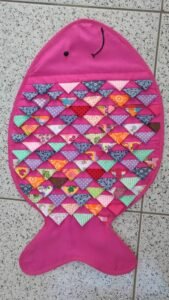
Materials You’ll Need
Before diving into the making process, let’s start by gathering the necessary materials for your fish-shaped rug. Choosing quality materials will make your project last longer and look more professional.
You’ll need medium-weight yarn or fabric strips, depending on the technique you prefer. Cotton yarn is highly recommended for rugs because it’s soft, washable, and easy to handle. For the crochet hook, a size appropriate for your yarn—usually between 5 mm and 7 mm—works perfectly. You’ll also need a pair of scissors, a yarn needle for weaving in ends, and possibly a stitch marker to keep track of your rounds if you’re crocheting in circles.
If you prefer a non-crochet version, you can make your fish-shaped rug using strips of old fabric and a latch hook canvas. This eco-friendly version is ideal for those who love upcycling and want to create something sustainable. Simply cut the fabric into strips and knot them through the canvas to build up your design.
For those who want to add extra detail, gather some felt or fabric pieces in different colors for the fish’s eyes, fins, or scales. You can sew or glue them onto the rug later. Also, having a non-slip backing is a great idea if the rug will be used on smooth surfaces like tiles or wooden floors.
When you’ve got everything ready, clear your workspace. Make sure you have good lighting and a comfortable spot to work. Crafting is not just about the final product—it’s also about enjoying the process, so create a relaxing atmosphere while you work on your fish-shaped rug.
Now that we have all our materials ready, it’s time to start building the base of our Fish-Shaped Rug.
Creating the Base Shape
The base of the Fish-Shaped Rug determines the size and final look of your project. To begin, make a chain that measures about the length of the fish you want to create. If you are crocheting, start with a foundation chain of around 50 to 70 stitches, depending on how big you want your rug to be.
Once you’ve created your chain, begin working single crochets along it. This will be the center of the fish’s body. As you progress, you’ll increase stitches at both ends to form an oval shape. This oval base represents the body of your fish. Continue adding rows, always increasing at the beginning and end to keep the shape balanced.
When your oval base reaches the desired width, start shaping the fish’s head and tail. For the head, you can slightly reduce stitches on one side to give it a rounded shape. For the tail, make two symmetrical extensions using chains and double crochets to create the classic fish-tail appearance.
If you’re not crocheting but sewing with fabric strips, simply cut your base in a fish shape using chalk or fabric markers as a guide. Remember to make the tail section wide enough to look proportionate to the body. Then, you can start filling the surface with your chosen material—whether by weaving, stitching, or knotting.
The key to a good base is consistency. Keep your stitches even and your tension steady. This ensures the rug lies flat and looks professional once finished. Don’t worry if your first few rows look uneven—rugs always take shape beautifully as you progress through the Step by Step Tutorial.
Adding Color and Texture
Once the main shape of your Fish-Shaped Rug is ready, it’s time to bring it to life with color and texture. This is where your creativity shines! You can create stripes across the fish’s body, or use gradients that fade from dark to light shades to simulate scales.
If you’re crocheting, switch yarn colors after a few rows to form different patterns. Make sure to weave in the loose ends neatly so the back of the rug remains tidy. For a textured look, try alternating stitches such as half-double crochets or puff stitches. These add dimension and softness, perfect for a rug that’s both decorative and comfortable.
For those using fabric, experiment with different materials—denim, old t-shirts, or even cotton bedsheets. Mixing fabrics gives your rug a vibrant and eco-friendly finish. You can also add some lace, embroidery, or buttons to make your fish more expressive and unique.
Consider using a thicker yarn or doubling your strands for the outline of the fish. This technique enhances the shape and makes it stand out more clearly. The fins and tail are great areas to highlight with contrasting colors.
Don’t be afraid to personalize your design. Every Fish-Shaped Rug tells a story about its creator—your choice of color, material, and texture will make your rug truly one of a kind. Remember to step back occasionally and look at your work from a distance to ensure balance and harmony in the design.
Finishing Touches and Assembly
Now that your Fish-Shaped Rug has shape and color, it’s time to add the final touches that make it perfect. This includes securing all ends, attaching details like eyes and scales, and applying the anti-slip base if desired.
Start by weaving in all the loose yarn ends carefully using a yarn needle. This not only improves appearance but also strengthens your rug and prevents it from unraveling. For the eyes, you can crochet small circles, use felt, or even attach safety eyes if you want a playful, amigurumi-style look.
If you want your rug to be extra durable, consider stitching a fabric backing. Use a sturdy cotton or canvas and sew it to the bottom of your rug. This helps it maintain its shape over time and adds a bit of structure.
Adding a non-slip mat or coating is essential, especially if you’re placing the rug on smooth floors. This will ensure safety while keeping your rug neatly in place.
Finally, trim any uneven yarn or fabric edges, and smooth out the rug by lightly pressing it with your hands or blocking it if it’s crocheted. Once done, step back and admire your creation—you’ve just completed your How to Make a Fish-Shaped Rug – Step by Step Tutorial masterpiece!
Caring for Your Fish-Shaped Rug
Your handmade Fish-Shaped Rug deserves proper care to keep it looking beautiful for years. Wash it gently by hand or on a delicate machine cycle with cold water. Avoid harsh detergents and bleach, as they can damage the fibers and colors.
If your rug is made of cotton yarn, lay it flat to dry to prevent stretching. For rugs made from mixed materials, spot cleaning might be a better option. Always let it air dry completely before using it again.
To maintain its shape, shake it out occasionally and rotate its position in the room. This helps even out wear and prevents fading in one area. You can also brush it lightly to keep the fibers fluffy and clean.
If any part becomes loose or frayed over time, simply repair it with leftover yarn or fabric. This small maintenance will extend your rug’s lifespan significantly.
The best part about caring for handmade pieces like this is the connection you build with them. Every wash, every repair, is a reminder of the love and time you invested in your Fish-Shaped Rug.
FAQ
1. Can beginners make a Fish-Shaped Rug?
Yes! This How to Make a Fish-Shaped Rug – Step by Step Tutorial is perfect for beginners. The design is simple, and you can adjust the size to match your comfort level.
2. What is the best yarn for a crochet rug?
Cotton yarn is ideal because it’s soft, durable, and easy to clean. However, you can experiment with recycled yarns for an eco-friendly option.
3. How long does it take to make a Fish-Shaped Rug?
It depends on your speed and rug size. Most people complete it within a few days of casual work.
4. Can I make this rug without crocheting?
Absolutely! You can use fabric strips or felt to create a no-sew version using a latch hook or simple stitching technique.
5. How can I make my rug non-slip?
Attach a non-slip mat underneath or use a fabric backing with anti-slip coating to ensure safety.
6. Is it washable?
Yes, most handmade rugs are washable. Just remember to use gentle cycles and avoid high heat.
Conclusion
In this How to Make a Fish-Shaped Rug – Step by Step Tutorial, we explored every stage of creating a beautiful, handmade rug—from choosing materials and shaping the base to adding texture, color, and finishing touches.
With a little time and creativity, you can transform simple yarn or fabric into a charming decorative piece that brightens any space.
Now that you’ve learned how to make your own Fish-Shaped Rug, take pride in your work and enjoy the cozy, artistic vibe it adds to your home. Don’t forget to share your experience—leave your honest opinion and suggestions below! Your feedback helps inspire more crafters to bring creativity to life.