
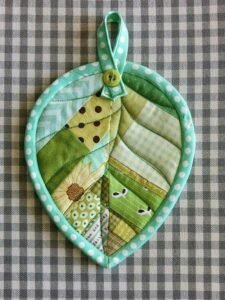
The Scrappy Autumn Leaf Potholders – Step by Step Tutorial is a delightful and creative project that combines the warmth of autumn colors with the functionality of handmade kitchen accessories. These potholders are not only useful in protecting your hands and table surfaces but also add a seasonal decorative touch to your home. If you enjoy quilting, patchwork, or simply working with fabric scraps, this project will be both fun and rewarding. The scrappy design means you can use leftover fabrics in rich autumn hues, making each piece unique.
One of the wonderful things about making Scrappy Autumn Leaf Potholders is that it allows crafters to experiment with different patterns, textures, and fabrics. Since potholders are small, you don’t need a large amount of material, making this an eco-friendly and budget-friendly project. It’s also a great way to practice quilting techniques and improve sewing skills without the pressure of a large quilt. Beginners and experienced makers alike can benefit from this enjoyable craft.
In this tutorial, we will walk through a step by step guide that explains how to choose fabrics, cut and assemble the leaves, and stitch the final potholder together. By the end, you will have a collection of beautiful handmade potholders ready for autumn or as thoughtful gifts. Each section will provide detailed explanations to ensure that your Scrappy Autumn Leaf Potholders turn out beautifully, even if it’s your very first time attempting this kind of project.
Choosing Fabrics and Materials
To begin the Scrappy Autumn Leaf Potholders – Step by Step Tutorial, the first step is selecting the right materials. For the scrappy style, you’ll want to gather a variety of fabric scraps in warm autumn shades such as orange, red, brown, yellow, and deep green. These colors mimic the natural tones of falling leaves and bring a cozy seasonal charm. Cotton fabrics are ideal because they are durable and heat-resistant, making them perfect for kitchen use.
Another key material you will need is batting. Batting provides the thickness and insulation that makes the potholder functional. For extra heat resistance, consider using a layer of heat-proof batting designed specifically for kitchen projects. Along with batting, a backing fabric is essential to hold the structure together and complete the project neatly.
You’ll also need basic sewing tools like scissors, rotary cutters, pins, thread, and a sewing machine. Hand sewing can also be an option, but a machine will make the process faster and give a cleaner finish. Choosing high-quality thread in matching or contrasting colors can enhance the final look. Many crafters enjoy adding decorative stitching to highlight the leaf shape, which is another way to personalize the project.
In addition to fabric and sewing supplies, it’s helpful to prepare a leaf template. You can draw your own or print a simple outline of a leaf to trace onto your fabric. This ensures that your potholders have consistent and recognizable shapes. Templates also make it easier to create multiple potholders in different colors, perfect for building a coordinated seasonal set.
Remember that scrappy projects thrive on variety. Mixing patterned fabrics like plaids, florals, or polka dots with solid colors adds interest and dimension. Don’t worry about making everything match perfectly—the charm of scrappy designs lies in their uniqueness and the story each fabric tells.
Finally, keep your work area organized with small bins or trays to sort your fabric scraps by color. This makes it easier to grab the right shade when piecing your leaves together. Preparation is a big part of ensuring your Scrappy Autumn Leaf Potholders look polished and professional.
Cutting and Piecing the Leaves
Once you have all your materials ready, the next stage of the Scrappy Autumn Leaf Potholders – Step by Step Tutorial is cutting and piecing the leaves. Start by selecting your fabric scraps and pressing them flat with an iron. Wrinkle-free fabric ensures more precise cutting and smoother seams.
Trace your leaf template onto the back side of your chosen fabrics using a fabric marker or pencil. Cut out several pieces in different colors to give your leaf a patchwork effect. For a truly scrappy look, you can even piece smaller scraps together before cutting them into the leaf shape, creating a mosaic-style appearance.
When piecing the leaf sections together, sew the scraps using a ¼ inch seam allowance. This is a standard measurement in quilting and keeps your seams neat and consistent. Press each seam flat before attaching the next piece to avoid bulk and uneven stitching.
After piecing the leaf shapes, consider adding veins or details with decorative stitching. This can be done either with straight stitches or free-motion quilting, depending on your skill level. The stitched details not only strengthen the fabric but also bring the leaf design to life, giving it texture and character.
To create variety, make several leaves in different colors and sizes. You can also experiment with asymmetrical shapes to reflect the natural diversity of autumn leaves. Don’t be afraid to mix bold prints with subtle solids; this adds visual interest and makes your potholders one-of-a-kind.
Before moving on, double-check that all your leaf pieces are trimmed evenly and match the size you want for the finished potholder. Neat cutting and piecing are crucial for a professional-looking result.
Assembling the Potholders
In this stage of the Scrappy Autumn Leaf Potholders – Step by Step Tutorial, you will layer the fabrics to create a sturdy and functional potholder. Begin by placing your backing fabric right side down, then add a layer of batting, and finally your pieced leaf design on top. This quilt-style layering creates the right balance of insulation and structure.
Pin the layers together carefully to prevent shifting during stitching. Many crafters find it helpful to use quilting clips instead of pins, especially when working with thicker batting. Make sure your leaf design is centered and aligned before moving to the sewing machine.
Next, sew around the edges of your leaf shape, leaving a small gap for turning the potholder inside out. Trim any excess fabric or batting to reduce bulk, then turn the potholder right side out. Use a pointed tool to push out the edges neatly, giving your leaf a crisp shape.
Once turned, topstitch around the edge of the leaf to close the gap and add durability. This step also gives the potholder a polished finish. If you want, you can add an extra row of stitching inside the leaf to create dimension and highlight its outline.
At this point, you may want to add a hanging loop to your potholder. Cut a small strip of fabric, fold it, and sew it into a loop. Attach it securely to one corner of the leaf. This small detail makes the potholder easy to hang and display in your kitchen.
Repeat the process with different leaf designs to build a set of matching or coordinating potholders. These sets make excellent seasonal decorations and thoughtful handmade gifts for family and friends.
Final Touches and Personalization
The last step in the Scrappy Autumn Leaf Potholders – Step by Step Tutorial is adding your own unique touches. While the basic structure is complete, personalization is what transforms your potholders from simple kitchen tools into works of art.
One idea is to use embroidery to add extra details like initials, small flowers, or decorative borders. Embroidery thread in contrasting colors can create a striking effect and highlight the beauty of your scrappy fabrics.
Another way to personalize your potholders is by experimenting with quilting patterns. Instead of simple stitches, try adding swirls, zigzags, or crosshatch quilting across the leaf. These patterns not only add visual interest but also strengthen the layers of fabric.
If you enjoy mixing textures, consider using different fabrics for contrast. For example, combining cotton with linen or flannel can create a tactile and cozy finish. Textured fabrics can also enhance the autumnal feel, giving your potholders extra warmth.
Personalization can also extend to the shape. While leaves are traditional for autumn, you can play with different outlines like acorns or pumpkins to create a varied seasonal set. The scrappy technique works beautifully with many nature-inspired designs.
Finally, don’t forget to label your handmade creations. Adding a small fabric tag with your name or initials is a lovely finishing touch, especially if you plan to gift or sell your potholders. It gives your work a professional look and celebrates your effort.
FAQ About Scrappy Autumn Leaf Potholders – Step by Step Tutorial
1. Can I make Scrappy Autumn Leaf Potholders without a sewing machine?
Yes, it is possible to make them by hand stitching, though it will take more time. A sewing machine provides cleaner seams and durability, but hand sewing is a great option if you prefer slow stitching.
2. What is the best batting to use for potholders?
The best batting is heat-resistant batting designed for kitchen projects. Regular cotton batting works as well, but doubling it may be necessary for extra protection.
3. Can I wash my Scrappy Autumn Leaf Potholders?
Yes, these potholders are machine washable if made with cotton fabric and batting. Be sure to use gentle detergent and cold water to preserve colors and stitching.
4. Do I need to use a template for the leaves?
Using a template is highly recommended for consistency, especially if making a set. However, freehand cutting can give a more rustic and natural look.
5. How many potholders can I make with fabric scraps?
It depends on the size of your scraps and potholders, but usually, even a small collection of fabric leftovers is enough to create multiple leaf-shaped potholders.
6. Are these potholders safe for handling very hot dishes?
Yes, as long as you use appropriate batting layers. Always test the thickness before using them with hot pots or pans to ensure safety.
Conclusion
The Scrappy Autumn Leaf Potholders – Step by Step Tutorial is a creative and practical project that combines quilting, patchwork, and seasonal charm.
With just a few fabric scraps and basic sewing supplies, you can create beautiful and functional potholders that celebrate the colors of autumn. From choosing fabrics to adding personalized embroidery, each step allows you to showcase your creativity.
Now that you know how to make these lovely potholders, it’s time to gather your scraps and start stitching your own autumn collection. I would love to hear your sincere opinion about this tutorial and any suggestions you may have for improving it. Your feedback helps create even better crafting guides in the future!