
Crochet leaf pattern is one of the most versatile and beautiful motifs in the world of crochet. Whether you are embellishing blankets, hats, scarves, bags, wreaths, or seasonal home décor, a well-crafted Crochet leaf pattern adds texture, elegance, and a natural touch to any handmade project.
One of the reasons the Crochet leaf pattern remains a favorite among crocheters is its simplicity combined with endless creative possibilities.
This complete guide will teach you everything you need to create a beautiful Crochet leaf pattern from start to finish. You will learn which materials work best, the basic crochet stitches required, a detailed step-by-step pattern, finishing techniques, and creative ideas for using your completed leaves. By practicing carefully and maintaining even stitch tension, you will soon be able to crochet elegant leaves that enhance countless handmade projects.
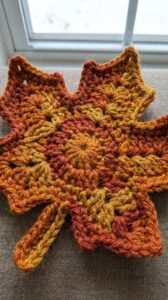
Materials and Basic Crochet Stitches
Choosing the right materials is the first step toward making a beautiful Crochet leaf pattern. Cotton yarn is one of the best choices because it provides excellent stitch definition and helps the leaf maintain its shape. Acrylic yarn is another popular option for beginners because it is affordable, lightweight, and available in a wide variety of colors.
Select a crochet hook that matches your yarn weight. For most medium-weight yarns, a 4.0 mm or 4.5 mm hook works very well. If you want a softer, more flexible leaf, use a slightly larger hook. For firm decorative leaves, choose a smaller hook to produce tighter stitches.
The stitches used in this Crochet leaf pattern are beginner-friendly. You should be familiar with chain stitch (ch), slip stitch (sl st), single crochet (sc), half double crochet (hdc), double crochet (dc), treble crochet (tr), and slip stitch for finishing. These stitches work together to create the pointed shape and textured edges of the leaf.
Maintaining consistent tension is essential throughout the project. Loose stitches create a softer leaf with a relaxed appearance, while tighter stitches produce crisp edges that hold their shape more effectively. Practice maintaining steady tension before beginning the full pattern.
Helpful accessories include scissors, a tapestry needle for weaving in the yarn ends, stitch markers if desired, and a measuring tape if you plan to create multiple leaves of identical size. Having all your supplies prepared before starting makes the crocheting process more enjoyable.
Take a few moments to practice each stitch individually if you are new to crochet. Becoming comfortable with the stitch sequence before starting the complete leaf will improve your confidence and produce a more polished final result.
Step-by-Step Crochet Leaf Pattern Instructions
Begin your Crochet leaf pattern by chaining 12 stitches. This foundation chain forms the center vein of the leaf and determines its overall length. You may add or remove chains later if you wish to create larger or smaller leaves.
Starting in the second chain from the hook, work one single crochet, one half double crochet, two double crochets, two treble crochets, two double crochets, one half double crochet, and one single crochet. Work three single crochets into the final chain to create the pointed tip of the leaf.
Without fastening off, continue working along the opposite side of the foundation chain. Repeat the stitch sequence in reverse order: one single crochet, one half double crochet, two double crochets, two treble crochets, two double crochets, one half double crochet, and one single crochet until reaching the beginning.
Join the round with a slip stitch into the first stitch. If you prefer a more textured appearance, you may add a decorative edging by working slip stitches or single crochets evenly around the entire leaf.
To create the stem, chain six stitches after completing the leaf. Slip stitch back into each chain until you return to the base of the leaf. Fasten off the yarn, leaving a tail long enough for weaving in the end securely.
Using a tapestry needle, weave the yarn tail through the back of the stitches, trim the excess yarn, and gently shape the leaf with your fingers. If desired, lightly steam block the finished leaf to create crisp edges and a professional appearance.
Creative Ways to Use a Crochet Leaf Pattern
One of the greatest advantages of the Crochet leaf pattern is its versatility. Individual leaves can be sewn onto hats, scarves, sweaters, handbags, and baby blankets to create charming decorative accents suitable for every season.
Crochet leaves also work beautifully in floral arrangements. Combine them with crochet roses, daisies, sunflowers, or wildflowers to create realistic bouquets that never wilt and make thoughtful handmade gifts.
Seasonal garlands are another wonderful project idea. Crochet leaves in shades of green, yellow, orange, and burgundy, then join them with a simple crochet chain or ribbon to decorate mantels, doors, or windows.
Many crocheters enjoy adding leaves to amigurumi animals, pumpkins, acorns, or woodland-themed decorations. These small details bring personality and realism to handmade toys and seasonal displays.
Larger leaves can become attractive coasters, appliqués for pillows, or decorative patches on tote bags. Simply increase the foundation chain and adjust the stitch count proportionally to enlarge the design.
Do not be afraid to experiment with different yarn textures and color combinations. Variegated yarn, metallic thread, or soft pastel shades can give the classic Crochet leaf pattern a completely fresh and unique appearance.
Tips for Success and Common Mistakes
Always count your foundation chain carefully before beginning the stitch sequence. Missing or adding a chain can affect the symmetry of the finished leaf.
Pay close attention to stitch placement, especially near the tip of the leaf. Working the correct number of stitches into the final chain ensures that both sides remain balanced and evenly shaped.
Avoid pulling your stitches too tightly. Tight tension may cause the leaf to curl, while extremely loose stitches can reduce the definition of the pointed edges.
Blocking is highly recommended for decorative leaves. Light steaming or wet blocking helps smooth the stitches and creates a crisp, symmetrical finish that looks especially professional.
Practice the pattern several times using inexpensive yarn before switching to premium fibers. Repetition improves stitch consistency and helps you memorize the sequence naturally.
Most importantly, enjoy the creative process. Every completed Crochet leaf pattern strengthens your crochet skills, increases your confidence, and opens the door to countless future projects using leaves as decorative elements.
FAQ
Is the Crochet leaf pattern suitable for beginners?
Yes. Beginners who already know the basic crochet stitches can successfully complete this pattern by following the stitch sequence carefully and practicing consistent tension.
Which yarn is best for crochet leaves?
Cotton yarn provides excellent stitch definition and shape retention, while acrylic yarn offers softness, affordability, and a wide variety of colors.
Can I make larger leaves?
Absolutely. Increase the length of the starting chain and proportionally add stitches along both sides to create larger decorative leaves.
Why is my leaf curling?
Curling usually occurs because the stitches are too tight or the stitch count is uneven. Relax your tension and verify each stitch placement throughout the pattern.
Do I need to block the finished leaf?
Blocking is optional but highly recommended. It improves the shape, sharpens the edges, and gives the leaf a clean, professional appearance.
Where can I use crochet leaves?
The Crochet leaf pattern is perfect for blankets, scarves, hats, bags, wreaths, floral arrangements, home décor, seasonal decorations, amigurumi, pillows, and many other crochet projects.
Conclusion
The Crochet leaf pattern is a timeless crochet motif that combines elegance, versatility, and simplicity in one beautiful project. Throughout this tutorial, you learned how to choose the best materials, master the essential crochet stitches, follow a detailed step-by-step pattern, customize your leaves, and apply finishing techniques that produce professional-looking results. These skills allow you to confidently create leaves for countless decorative and practical crochet projects.
With regular practice, careful stitch counting, and consistent tension, every leaf you crochet will become more symmetrical and refined. Whether you are decorating garments, embellishing blankets, creating floral arrangements, or designing seasonal home décor, this classic pattern offers endless creative opportunities while strengthening your crochet abilities.
Thank you for reading this complete guide to the Crochet leaf pattern. I hope this tutorial inspires you to begin your next crochet project with confidence and creativity. If you enjoyed this article, please leave your honest opinion and share your suggestions for future crochet tutorials. Your feedback is always appreciated and helps create even better content for crochet enthusiasts around the world.