
Denim magazine pouch pattern is the perfect sewing project for anyone who loves transforming old jeans into practical and beautiful handmade organizers.
Creating a Denim magazine pouch pattern is also a wonderful way to recycle denim that might otherwise be discarded.
This tutorial explains every step needed to complete a professional-looking Denim magazine pouch pattern using simple sewing techniques. Throughout the article, you’ll learn how to prepare denim, cut fabric pieces, sew the pouch together, reinforce the seams, add practical pockets, and customize the design. Whether you’re making it for yourself or as a handmade gift, this sewing project combines sustainability, creativity, and functionality.
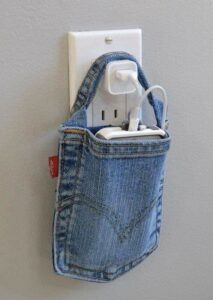
Materials and Fabric Preparation for the Denim Magazine Pouch Pattern
Before starting your Denim magazine pouch pattern, gather all the necessary materials so the sewing process becomes smooth and enjoyable. Choosing quality materials helps create a pouch that is durable enough to hold magazines and other everyday items.
You’ll need one or two pairs of old denim jeans, depending on the desired size of your pouch. Medium-weight denim works especially well because it is sturdy without being difficult to sew on a regular sewing machine.
For the lining, choose a cotton fabric that complements the denim. Floral prints, gingham, stripes, or solid colors all pair beautifully with recycled jeans and give the inside of the pouch a polished appearance.
Basic sewing tools include fabric scissors, rotary cutter, cutting mat, ruler, measuring tape, sewing clips or pins, matching thread, denim sewing needle, iron, and ironing board.
Recommended measurements for a standard magazine pouch are approximately 15 inches wide by 13 inches tall. This size comfortably holds most magazines, quilting rulers, sketchbooks, and sewing patterns while remaining compact enough to hang on a wall or chair.
Wash and iron the denim before cutting. Prewashing removes shrinkage, softens the fabric, and ensures your finished Denim magazine pouch pattern keeps its shape after future washing.
Cutting and Sewing the Main Denim Magazine Pouch Pattern
Start your Denim magazine pouch pattern by laying the denim flat and identifying sections without excessive wear. Large leg panels usually provide the biggest uninterrupted pieces for the pouch body.
Cut two rectangles measuring 16 x 14 inches from denim. One becomes the front panel, and the other becomes the back panel. If your jeans include decorative seams, place them intentionally for extra character.
Cut two identical lining rectangles measuring 16 x 14 inches from cotton fabric. The lining adds strength and creates a neat interior finish.
If you’d like exterior pockets, carefully remove the original back pocket from the jeans using a seam ripper. Position it on the front denim panel before assembling the pouch.
Stitch the pocket around three sides, reinforcing the upper corners with backstitching. This pocket becomes perfect for pens, scissors, reading glasses, or small notebooks.
Place the denim front and back panels with right sides together and sew around both sides and bottom using a ½-inch seam allowance. Repeat the same process for the lining, leaving a 4-inch turning opening along the bottom.
Creating Structure, Pockets, and Decorative Details
To give the Denim magazine pouch pattern a professional shape, create boxed corners. Pinch each bottom corner into a triangle and measure about 2 inches across the tip before sewing.
Trim away excess fabric after stitching the boxed corners. This creates a flat base that allows the pouch to expand and hold thicker magazines without collapsing.
If using multiple denim shades, sew patchwork strips together before cutting the pouch panels. This is a fantastic way to use leftover denim scraps from previous sewing projects.
Decorative topstitching is one of the defining characteristics of denim sewing. Use contrasting gold or orange thread for visible seams that mimic classic jeans construction.
Add another pocket made from the jeans’ front pocket section if desired. It naturally includes rivet details and creates additional storage compartments.
You can also embellish your Denim magazine pouch pattern with fabric labels, embroidered initials, lace trim, quilting stitches, decorative patches, or fabric appliqués for a personalized handmade finish.
Finishing, Hanging Options, and Customization Ideas
Turn the denim pouch right side out through the opening left in the lining. Push out the corners gently using a point turner or chopstick for crisp edges.
Close the lining opening with a straight stitch close to the edge or use an invisible ladder stitch if sewing by hand.
Insert the lining inside the denim pouch, matching seams carefully. Press the top edge thoroughly before sewing the finishing topstitch around the entire opening.
For a hanging version of the Denim magazine pouch pattern, sew two fabric loops from denim strips measuring 2 x 6 inches. Fold, stitch, and attach them securely to the back panel.
Another option is adding a wooden dowel through a fabric sleeve across the top. This creates a beautiful wall organizer perfect for craft rooms, offices, bedrooms, or entryways.
You can also sew adjustable straps, leather handles, cotton webbing, or braided denim handles depending on where the organizer will be displayed and how portable you’d like it to become.
Tips for Sewing Durable Denim Magazine Pouches That Last
Sewing denim requires a few simple techniques that dramatically improve the durability of your Denim magazine pouch pattern.
Always use a denim or jeans sewing needle because it easily penetrates thick fabric layers without skipped stitches.
Increase your stitch length slightly when sewing thick seams. A stitch length around 3 to 3.5 mm often produces smoother and stronger topstitching on denim.
Press every seam as you sew. Ironing helps reduce bulk and gives the pouch crisp professional edges.
When sewing over bulky seams from the original jeans, sew slowly or use a hump jumper to keep your presser foot level.
Reinforce stress points such as handles, hanging loops, and pocket corners with additional rows of stitching.
If your machine struggles with multiple denim layers, trim seam allowances or grade bulky seams to reduce thickness without sacrificing strength.
The Denim magazine pouch pattern is an excellent beginner sewing project because it teaches many valuable techniques in a single design. You’ll practice measuring, cutting, pressing, topstitching, boxing corners, installing pockets, and sewing a lining.
Experienced sewists can easily adapt the project into larger organizers for quilting rulers, knitting needles, embroidery hoops, children’s books, or mail storage.
One creative idea is making a family organizer with separate pockets labeled for each household member. It becomes both decorative and functional near the front door.
Another variation transforms the pouch into a bedside organizer attached to the bed frame for books, tablets, charging cables, journals, and reading glasses.
A larger Denim magazine pouch pattern can even become a hanging organizer inside sewing rooms for fabric scraps, rotary cutters, measuring tapes, and quilting templates.
Because denim is naturally durable, these organizers withstand everyday use and frequent washing, making them ideal for busy homes.
Choosing recycled denim also supports sustainable sewing practices by giving old clothing a completely new purpose.
Different denim washes create beautiful visual contrast when combined into patchwork panels.
You can mix dark indigo, light blue, black denim, gray denim, and distressed pieces for a unique handmade appearance.
Adding colorful cotton lining creates a cheerful surprise whenever the pouch is opened.
Children often enjoy personalized versions featuring colorful appliqués, alphabet patches, or fun embroidery.
This project also makes thoughtful handmade gifts for teachers, readers, crafters, students, or anyone who appreciates functional home organization.
If you’re selling handmade items, the Denim magazine pouch pattern appeals to customers looking for eco-friendly and reusable home décor.
Offering customized sizes increases the versatility of this sewing project for different storage needs.
Pair matching organizers with denim baskets, storage bins, or wall pockets for coordinated handmade home décor collections.
Every finished pouch becomes slightly different because recycled jeans include unique fading, stitching, and pocket details.
That uniqueness is one of the greatest advantages of sewing with denim instead of purchasing mass-produced storage accessories.
Taking time to align seams and press carefully results in a much more polished final project.
Don’t be afraid to experiment with decorative quilting lines across the denim before assembling the pouch.
Simple vertical quilting adds texture while strengthening larger fabric panels.
Horizontal quilting creates a modern minimalist style perfect for contemporary interiors.
Patchwork quilting transforms leftover denim scraps into artistic fabric before constructing the organizer.
Contrast stitching highlights the handcrafted character of the finished piece.
Adding snaps or magnetic closures is optional if you want extra security for stored items.
A zipper closure can also be installed for travel-friendly versions of the Denim magazine pouch pattern.
Interior divided pockets help organize sewing notions, crochet hooks, or stationery supplies.
Exterior elastic loops can hold rulers, pens, or scissors securely.
The possibilities for personalization make this one of the most adaptable recycled denim sewing projects available.
FAQ About Denim Magazine Pouch Pattern
Is the Denim magazine pouch pattern suitable for beginners?
Yes. This project uses basic straight stitches and simple construction techniques, making it an excellent introduction to sewing with denim.
What type of denim works best?
Medium-weight denim from old jeans is ideal. Avoid overly stretchy denim because it may lose structure.
Can I sew denim on a regular sewing machine?
Absolutely. Use a denim needle, quality thread, and sew slowly through thick seams for the best results.
Do I need to add a lining?
A lining is recommended because it strengthens the pouch, hides raw seams, and gives the organizer a professional finish.
How do I make the pouch larger?
Simply increase the size of the front, back, and lining rectangles while maintaining equal measurements for all pieces.
Can I use jean pockets on the organizer?
Yes. Original jean pockets add both decoration and practical storage for smaller accessories.
What can I store inside a denim magazine pouch?
Magazines, books, quilting patterns, sewing supplies, crochet hooks, notebooks, mail, tablets, coloring books, or fabric scraps all fit beautifully.
How do I wash the finished pouch?
Machine wash on a gentle cycle using cold water, then air dry or tumble dry on low heat after reshaping.
Can I sell handmade denim magazine pouches?
Yes. Handmade recycled denim organizers are popular at craft fairs and online handmade marketplaces when made with your own craftsmanship.
What decorations work well on denim?
Embroidery, appliqué, quilting stitches, lace, fabric labels, decorative buttons, and contrasting topstitching all complement denim beautifully.
Conclusion
The Denim magazine pouch pattern is a creative, sustainable, and practical sewing project that transforms recycled jeans into a stylish organizer for everyday use. Throughout this tutorial, you learned how to prepare denim, choose lining fabric, cut each piece accurately, sew the pouch body, create boxed corners, add functional pockets, reinforce the seams, and customize the design with decorative details and hanging options.
This project is perfect for beginners who want to build sewing confidence as well as experienced makers looking for an eco-friendly way to use leftover denim. The finished pouch is durable, versatile, and easy to personalize for different rooms and storage needs, making it an excellent handmade gift or home décor accessory.
I hope this Denim magazine pouch pattern inspired you to create your own unique version using recycled denim. If you make this project, please leave your honest opinion in the comments and share your suggestions, favorite customization ideas, or tips for improving the design. Your feedback helps inspire more creative sewing tutorials and future handmade projects.