
Patchwork rug pattern projects are becoming increasingly popular among craft lovers who enjoy combining creativity, comfort, and sustainability in home decoration.
Creating a patchwork rug pattern is not only about sewing pieces of fabric together. It is also about understanding color harmony, choosing durable materials, and designing a rug that fits perfectly into your living space.
Another reason why the patchwork rug pattern trend continues to grow is the increasing interest in sustainable crafting. Reusing fabric remnants, old clothes, denim pieces, or leftover quilting materials helps reduce waste while creating something functional and beautiful. This eco-friendly approach appeals to many modern crafters who want to personalize their homes without overspending. With the right planning and sewing techniques, anyone can produce a durable and visually stunning rug that lasts for years.
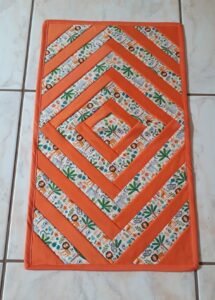
Choosing the Best Materials for a Patchwork Rug Pattern
The success of a patchwork rug pattern often begins with selecting the proper fabrics. Strong and durable materials are essential because rugs experience constant foot traffic and daily wear. Cotton fabric is one of the most common choices because it is easy to sew, widely available, and comes in countless colors and prints. Denim is also a popular option because it creates a highly durable rug with a rustic and modern appearance.
Many crafters enjoy mixing different fabric textures to create visual interest. Combining floral prints with solid colors or geometric patterns can produce a balanced and attractive design. However, it is important to maintain consistency in fabric weight so the rug remains stable and even after sewing. Lightweight fabrics may wrinkle or wear out faster when used in heavily used areas of the home.
Batting and backing materials also play an important role in a successful patchwork rug pattern project. Some makers use quilt batting to add softness and comfort underfoot, while others prefer thicker interfacing for additional durability. A non-slip backing is highly recommended, especially if the rug will be placed on hardwood or tile floors where slipping may become a safety concern.
Color selection is another key aspect of rug design. Neutral shades create a timeless and elegant appearance, while vibrant combinations add energy and personality to a room. Many designers recommend choosing a color palette that complements the surrounding furniture and wall colors to create a harmonious interior design style.
Fabric preparation should never be ignored. Washing and ironing fabrics before cutting helps prevent future shrinking or distortion. Pre-washed fabrics also ensure that colors remain stable and do not bleed during future cleaning. Taking time to properly prepare materials can greatly improve the final quality of the rug.
Tools and sewing supplies are equally important for achieving professional-looking results. Sharp fabric scissors, rotary cutters, quilting rulers, and strong thread help improve precision and efficiency. Investing in quality sewing tools often makes the crafting process smoother and more enjoyable, especially for larger patchwork rug pattern projects.
Popular Styles and Designs for Patchwork Rug Pattern Projects
One of the most exciting aspects of creating a patchwork rug pattern is the wide variety of design possibilities available. Traditional square patchwork remains a favorite choice because it is simple, organized, and suitable for beginners. This timeless style allows crafters to experiment with different color arrangements while maintaining a clean and structured appearance.
Hexagon designs are also extremely popular in modern patchwork projects. These shapes create a softer and more intricate visual effect compared to standard square blocks. Hexagon rugs often resemble classic quilting patterns and provide a charming handmade aesthetic that fits beautifully in cozy interiors.
Braided patchwork rugs combine strips of fabric into long braids that are later stitched into circular or oval shapes. This style creates a textured and durable rug with a rustic farmhouse appeal. Many people enjoy braided rugs because they make excellent use of fabric scraps and can easily become eye-catching decorative pieces.
Another growing trend involves using denim fabrics in a patchwork rug pattern. Denim rugs are highly durable and add a modern casual style to rooms. Different shades of denim create beautiful contrast, especially when combined with white stitching or decorative quilting details. Recycled jeans are often used in these projects, making them both affordable and environmentally friendly.
Bohemian-inspired patchwork rugs are perfect for those who enjoy colorful and artistic home décor. These rugs often combine bold prints, embroidery details, tassels, and layered textures to create a vibrant and relaxed atmosphere. Bohemian rugs work especially well in creative spaces, bedrooms, and reading corners.
Minimalist patchwork rugs have also gained popularity among modern homeowners. These designs focus on clean lines, neutral tones, and subtle geometric arrangements. A minimalist patchwork rug pattern can complement Scandinavian or contemporary interiors while still preserving the charm of handmade craftsmanship.
Step-by-Step Tips for Creating a Durable Patchwork Rug Pattern
Planning is one of the most important stages when making a patchwork rug pattern. Before cutting any fabric, it is helpful to sketch the rug design and determine the final dimensions. Measuring the intended room area ensures the rug fits properly and complements the furniture arrangement.
Cutting fabric accurately is essential for achieving balanced and professional-looking results. Using rotary cutters and quilting rulers helps maintain consistent shapes and straight edges. Even slight measurement differences can affect the alignment of the overall pattern, especially in geometric designs.
Arranging fabric pieces before sewing allows crafters to visualize the final composition. Many people place their fabric blocks on the floor or a design wall to experiment with color placement and symmetry. This step helps avoid design mistakes and improves overall balance within the rug.
Strong stitching techniques are necessary for creating a long-lasting rug. Double stitching or reinforced seams help prevent fabric pieces from separating over time. Since rugs experience heavy use, durability should always be prioritized during the sewing process.
Quilting the layers together adds both beauty and stability to the rug. Straight-line quilting creates a clean and modern appearance, while decorative quilting patterns add texture and artistic detail. Proper quilting also helps secure the batting and prevents shifting after repeated use and washing.
Finishing the rug edges properly is equally important. Binding techniques protect the edges from fraying and give the rug a polished appearance. Some crafters use contrasting fabric for binding to create an attractive decorative frame around the entire project.
Regular maintenance helps preserve the appearance and lifespan of a handmade patchwork rug pattern. Vacuuming gently, spot cleaning stains quickly, and following appropriate washing instructions can keep the rug looking fresh and vibrant for many years.
Decorating Your Home with a Patchwork Rug Pattern
A carefully designed patchwork rug pattern can become the focal point of an entire room. In living rooms, large patchwork rugs help define seating areas and create a welcoming environment. Soft fabrics and layered textures contribute to a comfortable atmosphere that encourages relaxation.
Bedrooms also benefit from handmade rugs placed beside the bed or under furniture. A colorful patchwork rug can add warmth to minimalist spaces and create a cozy environment for resting. Soft cotton materials are especially comfortable for bedroom use.
Kitchen patchwork rugs are both practical and decorative. Smaller rugs placed near sinks or cooking areas help protect floors while adding personality to the space. Durable fabrics and washable materials are recommended for kitchen projects because these rugs may require more frequent cleaning.
Children’s rooms are ideal spaces for playful and colorful patchwork rug pattern designs. Bright colors, fun shapes, and soft textures create an inviting environment where children can comfortably play on the floor. Handmade rugs can also become sentimental keepsakes that remain meaningful for years.
Patchwork rugs work beautifully in entryways because they immediately introduce visitors to the home’s decorative style. Durable fabrics are particularly important for these high-traffic areas. Choosing darker colors or patterned fabrics may help hide dirt and maintain a cleaner appearance between washings.
Seasonal decorating is another creative use for patchwork rugs. Warm earthy tones work wonderfully during autumn, while floral prints and pastel shades create a fresh spring atmosphere. Many crafters enjoy rotating handmade rugs throughout the year to refresh their home décor without making major design changes.
Handmade patchwork rugs also make thoughtful gifts for family and friends. Personalized color choices, meaningful fabric selections, and handcrafted details make these rugs unique and memorable presents. A handmade rug often carries sentimental value that store-bought items cannot replicate.
FAQ About Patchwork Rug Pattern
What is a patchwork rug pattern?
A patchwork rug pattern is a design technique that combines multiple fabric pieces into a decorative and functional rug. Different shapes, colors, and textures are sewn together to create unique patterns and artistic home décor.
Which fabrics are best for a patchwork rug pattern?
Cotton, denim, canvas, and upholstery fabrics are among the best choices because they provide durability and structure. Many crafters also use recycled fabrics to create eco-friendly projects.
Is a patchwork rug pattern suitable for beginners?
Yes, many simple patchwork rug pattern projects are beginner-friendly. Starting with square blocks and basic sewing techniques can help new crafters build confidence before attempting more advanced designs.
How do I make a patchwork rug more durable?
Using strong fabrics, reinforced seams, proper quilting techniques, and non-slip backing materials can improve durability and help the rug withstand regular use.
Can patchwork rugs be machine washed?
Some patchwork rugs can be machine washed, depending on the fabric and batting used. It is important to pre-wash fabrics before sewing and follow gentle cleaning methods to preserve the rug’s shape and colors.
How long does it take to create a patchwork rug pattern?
The time required depends on the rug size, complexity of the pattern, and sewing experience. Small rugs may take only a few hours, while larger and more detailed projects can require several days.
Are patchwork rugs environmentally friendly?
Yes, many patchwork rug pattern projects use leftover fabric scraps or recycled clothing materials, making them a sustainable and eco-conscious crafting option.
What rooms work best for patchwork rugs?
Patchwork rugs can be used in living rooms, bedrooms, kitchens, children’s rooms, and entryways. Different styles and fabric choices allow them to match a wide range of interior designs.
Conclusion
A beautiful patchwork rug pattern combines creativity, practicality, and personal style into one rewarding craft project. Throughout this article, we explored the importance of choosing durable materials, experimenting with different design styles, applying strong sewing techniques, and decorating various areas of the home with handmade rugs. Whether you prefer classic patchwork blocks, braided textures, or modern minimalist designs, there are endless ways to personalize your rug and create something truly special.
Learning how to make a patchwork rug pattern can also encourage sustainable crafting habits by transforming fabric scraps into functional home décor. Handmade rugs not only enhance interior spaces but also carry the warmth and individuality that only handcrafted items can provide.
If you enjoyed this guide, feel free to leave your honest opinion and share your creative suggestions. Your ideas and experiences can inspire even more beautiful patchwork rug pattern projects in the future.