
Fabric remote control holder cushion pattern is a practical and creative sewing project that combines comfort with organization.
One of the reasons this project has become popular among sewing enthusiasts is its versatility. A Fabric remote control holder cushion pattern can be customized in countless ways by changing fabrics, colors, pocket sizes, and decorative details.
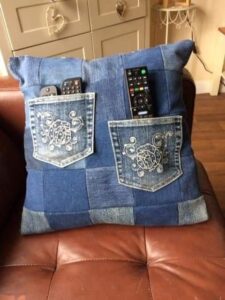
In this tutorial, you’ll learn how to create a beautiful and functional cushion inspired by the featured design. From selecting the right fabrics to sewing sturdy storage pockets and assembling the finished cushion, every step focuses on creating a durable accessory that is both attractive and useful for everyday living.
Choosing Materials and Preparing the Fabric
Selecting quality materials is the first step toward a professional-looking Fabric remote control holder cushion pattern. Medium-weight cotton fabric is an excellent option because it is durable, easy to sew, and available in a wide variety of prints.
Canvas, linen blends, denim, or home décor fabrics are also suitable choices, especially if the cushion will receive frequent use. Choosing fabrics with a little more structure helps the storage pockets maintain their shape over time.
Besides the main fabric, gather coordinating thread, scissors, quilting clips or pins, measuring tape, fabric chalk, polyester stuffing or a cushion insert, and a sewing machine equipped with a universal needle.
For a standard cushion, cut two fabric squares measuring approximately 18 x 18 inches. Pocket dimensions can vary depending on the size and number of remote controls you want to store.
If you prefer additional durability, interface the pocket pieces with lightweight fusible interfacing before sewing. This simple step helps prevent stretching and sagging after repeated use.
Press every fabric piece before sewing. Accurate cutting and crisp pressing make assembly easier and produce cleaner seams throughout the project.
Step-by-Step Sewing Instructions
Begin by preparing the storage pockets. Fold the upper edge of each pocket piece toward the wrong side by ¼ inch, press, then fold again by another ¼ inch to create a clean hem.
Topstitch along the folded edge using a straight stitch. This reinforced finish gives the pocket a polished appearance while strengthening the opening.
Position the finished pockets on one cushion panel. Arrange them evenly, leaving enough room for different remote control sizes. Pin or clip them securely before stitching.
Sew around the sides and bottom of each pocket, reinforcing the upper corners with a few backstitches. If you would like multiple compartments, add vertical stitching lines to divide a larger pocket into smaller sections.
Place the front and back cushion panels right sides together. Sew around all four sides using a ½-inch seam allowance, leaving an opening large enough to insert the cushion form or stuffing.
Trim the corners, turn the cover right side out, gently push out the corners, insert the cushion, and close the opening with either an invisible ladder stitch or a neat machine seam.
Personalizing Your Cushion Design
One of the best features of a Fabric remote control holder cushion pattern is how easily it can be customized. Decorative quilting adds texture while increasing durability, especially for larger cushions.
Patchwork fabrics create a cozy handmade appearance, making the project an excellent way to use leftover fabric from previous sewing projects.
Contrast piping around the edges provides a professional finish and helps define the cushion’s shape. Matching or contrasting thread can further enhance the overall design.
Decorative buttons, embroidered initials, appliqué motifs, or simple fabric labels can personalize the cushion without affecting its functionality.
If your household uses several remote controls, consider creating pockets in different widths. Larger compartments can also hold reading glasses, notebooks, smartphones, or small tablets.
Choose colors and prints that coordinate with your furniture, curtains, or blankets so the finished cushion becomes both a decorative accent and an everyday organizer.
Finishing Tips and Everyday Care
After completing the sewing, inspect every seam carefully. Reinforce any areas that receive frequent handling, especially around the pocket openings.
If your cushion cover includes a removable insert, adding a zipper or envelope-style closure makes washing much easier and extends the life of the project.
Wash cotton covers using a gentle cycle with mild detergent according to the fabric manufacturer’s recommendations. Air drying helps preserve both color and shape.
Lightly press the cover after washing to restore crisp edges and keep the pockets looking neat. Avoid excessive heat on decorative trims or specialty fabrics.
Store the cushion indoors and rotate its position occasionally if it receives direct sunlight. This helps reduce uneven fading over time.
Once you’ve mastered the basic construction, experiment with different sizes, seasonal fabrics, or coordinated living room accessories such as matching throw pillows or sofa organizers.
FAQ
Is this project suitable for beginners?
Yes. Anyone familiar with straight seams, pressing, and basic machine sewing can complete this project with confidence.
Which fabric is best?
Medium-weight cotton, canvas, linen blends, or upholstery-weight fabrics are all excellent choices depending on the desired look.
Can I make larger pockets?
Absolutely. Adjust the pocket measurements to accommodate larger remotes, phones, or other household items.
Should I use interfacing?
Lightweight fusible interfacing is recommended for the pockets because it helps them keep their shape during everyday use.
Can the cover be removed for washing?
Yes. Including a zipper or envelope closure makes the cover removable and easier to clean.
Is this a good handmade gift?
Definitely. A Fabric remote control holder cushion pattern makes a thoughtful gift for housewarmings, birthdays, holidays, or anyone who enjoys practical handmade home décor.
Conclusion
Creating a Fabric remote control holder cushion pattern is a rewarding sewing project that combines organization, comfort, and creativity in a single handmade accessory. Throughout this tutorial, you learned how to choose suitable materials, prepare and cut the fabric, sew durable storage pockets, assemble the cushion cover, personalize the design with decorative details, and care for the finished project.
With only a few sewing techniques, you can make a beautiful cushion that keeps everyday essentials within easy reach while adding charm to your living space.
As you gain confidence, experiment with different sizes, fabrics, quilting designs, and pocket layouts to create versions that perfectly match your home. If you enjoyed this tutorial, please leave your honest opinion and share your suggestions. Your feedback is always appreciated and helps inspire future sewing projects and creative ideas.